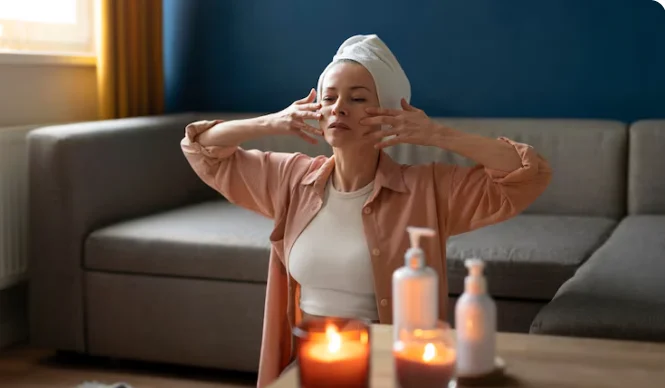
Skincare is often built around strict routines: cleanse twice a day, exfoliate several times a week, use active ingredients on schedule, and repeat. While consistency is important, skin does not always behave exactly the same from one day to the next. Stress, sleep, hormones, weather, diet, hydration, and environmental exposure can all influence how the skin looks and feels.
The Moon Cycle Method offers a different way to think about skincare. Rather than following an identical routine every day, it encourages people to observe changes in their skin and adjust their routine through different phases of the lunar month.
This approach should not be confused with a scientifically proven claim that the moon directly controls skin biology. Instead, the lunar cycle can be used as a convenient monthly framework for checking in with the skin, rotating treatments, scheduling recovery days, and becoming more intentional about skincare.
What Is the Moon Cycle Method?
The Moon Cycle Method organizes skincare around the four commonly recognized lunar phases:
- New Moon
- Waxing Moon
- Full Moon
- Waning Moon
Each phase is associated with a different skincare focus. The new moon may represent renewal and recovery, the waxing phase can emphasize strengthening and hydration, the full moon may become a time for nourishment, and the waning phase can be used for exfoliation and simplifying the routine.
A complete lunar cycle lasts approximately 29.5 days, making it a practical structure for reviewing how the skin changes over roughly one month.
Instead of assuming every phase requires completely different products, the idea is to change the emphasis of the routine while keeping essential skincare habits consistent.
Why Skin Needs a Flexible Routine
Skin is constantly responding to internal and external conditions. Someone may experience dryness after a few nights of poor sleep, increased oiliness during humid weather, or sensitivity after using too many exfoliating products.
A rigid skincare schedule may sometimes encourage people to continue using products simply because the calendar says it is time.
A rhythm-based approach encourages observation instead.
Before applying a treatment, ask:
Does my skin feel dry or comfortable?
Is there redness or irritation?
Does my skin feel congested?
Have I recently introduced a new active ingredient?
Is my skin barrier feeling sensitive?
These simple observations can help determine what the skin actually needs.
New Moon: Reset and Restore
The new moon can serve as the beginning of a skincare cycle. This phase is ideal for simplifying the routine and focusing on restoring the skin barrier.
Instead of introducing several strong treatments, use gentle products that support hydration and comfort.
A simple new moon routine might include a mild cleanser, hydrating serum, moisturizer, and sunscreen during the daytime.
Ingredients such as ceramides, glycerin, hyaluronic acid, panthenol, and squalane may be useful for supporting moisture and maintaining the skin barrier.
This phase can also be a useful time to evaluate the products already in the routine.
Check whether anything is causing persistent irritation, dryness, clogged pores, or unnecessary complexity. Removing products that are not helping can sometimes improve a routine more effectively than continuously adding new ones.
Waxing Moon: Build Hydration and Support
As the moon moves toward fullness, the waxing phase can symbolize building and strengthening.
During this stage, skincare can focus on improving hydration and gradually introducing targeted treatments.
For example, someone using vitamin C may apply it in the morning, while products containing niacinamide or peptides can be included depending on individual skin needs.
Hydrating masks can also be used occasionally if the skin feels dry or tight.
The important principle is gradual improvement rather than aggressive treatment.
Skin generally responds better when active ingredients are introduced slowly instead of being layered excessively.
Full Moon: Nourish and Observe
The full moon can become a monthly skincare checkpoint.
Rather than treating it as a time for dramatic treatments, consider using it to examine how the skin has responded during the previous two weeks.
Look at factors such as:
- Hydration
- Texture
- Breakouts
- Redness
- Oil production
- Sensitivity
- Overall comfort
If the skin appears calm and healthy, continue the existing routine.
If irritation has developed, simplify the products being used and allow the skin time to recover.
The full moon phase can also be associated with nourishing skincare. A gentle moisturizing mask, facial oil suitable for the skin type, or a richer nighttime moisturizer may help support dry or dehydrated skin.
Waning Moon: Refine and Exfoliate Carefully
The waning moon represents the period leading back toward the next new moon. Within the Moon Cycle Method, this phase can be used for refinement.
That might include occasional exfoliation or treatments designed to address clogged pores and uneven texture.
Chemical exfoliants such as alpha hydroxy acids or beta hydroxy acids can help remove dead surface cells when used appropriately.
However, exfoliation should always depend on skin tolerance.
Using strong exfoliating acids too frequently can damage the skin barrier and cause redness, sensitivity, and dryness.
For many people, exfoliating once or twice a week is sufficient. Others may require even less.
The waning phase can therefore serve as a reminder to remove unnecessary buildup without overwhelming the skin.
Creating a Monthly Skincare Journal
One of the most useful parts of the Moon Cycle Method is the opportunity to track skin changes.
A simple skincare journal can reveal patterns that may otherwise be difficult to notice.
Record information such as:
Skin condition: Dry, oily, balanced, irritated, or congested.
Products used: Note any new treatments or ingredients.
Sleep quality: Poor sleep can sometimes affect the appearance of the skin.
Stress levels: Stress may contribute to breakouts or sensitivity in some people.
Weather: Temperature and humidity can significantly influence hydration and oil production.
Hormonal changes: People who menstruate may notice predictable changes in oil production or breakouts throughout their cycle.
After several months, patterns may become easier to recognize.
The Role of Hormonal Rhythms
For many people, hormonal changes can affect the skin more noticeably than lunar phases.
During different stages of the menstrual cycle, changes in estrogen, progesterone, and androgen activity may influence oil production, hydration, and breakouts.
For example, some people experience increased oiliness or acne in the days leading up to menstruation.
Others may notice their skin appears calmer at different points in the cycle.
For this reason, anyone following the Moon Cycle Method can also track their personal hormonal patterns.
The goal is not to force the body’s biological cycle to match the lunar calendar. Instead, the lunar calendar simply provides a convenient structure for regular observation.
Keep Essential Skincare Consistent
Even when adjusting skincare throughout the month, certain fundamentals should remain consistent.
Gentle cleansing helps remove dirt, sweat, sunscreen, and excess oil without excessively stripping the skin.
Moisturizer helps support the skin barrier and reduce water loss.
Daily sunscreen remains one of the most important steps for protecting the skin from ultraviolet damage.
These basic habits should not disappear simply because the moon enters a different phase.
The changing phases are better used for deciding when to emphasize hydration, recovery, exfoliation, or targeted treatments.
Avoid Overloading the Skin with Actives
One common mistake in modern skincare is using too many active ingredients at the same time.
Retinoids, exfoliating acids, vitamin C, benzoyl peroxide, and other treatments can be beneficial, but combining too many powerful products may increase irritation.
A monthly rhythm can help space treatments more thoughtfully.
For example, exfoliating treatments may be scheduled on specific evenings while other nights focus entirely on hydration.
Recovery days are equally important.
Skin improvement does not always come from doing more. Sometimes giving the skin fewer products allows its protective barrier to recover.
Listen to Your Skin Before the Calendar
The most important rule of rhythm-based skincare is simple: your skin should have the final say.
If the lunar calendar suggests exfoliation but your skin feels irritated, skip exfoliation.
If the routine calls for a lightweight moisturizer but cold weather has left your skin dry, use something richer.
Personal observation should always take priority over a predetermined schedule.
Skincare works best when routines remain flexible enough to respond to real conditions.
Lifestyle Rhythms Matter Too
Healthy-looking skin is influenced by more than topical products.
Sleep, hydration, nutrition, physical activity, stress management, and environmental exposure can all contribute to how the skin appears.
The Moon Cycle Method can therefore become a broader monthly wellness check.
During each phase, consider asking yourself whether you are sleeping consistently, drinking enough water, managing stress effectively, and protecting your skin from excessive sun exposure.
These lifestyle habits may have a greater impact than adding another serum to the bathroom shelf.
Who Might Enjoy the Moon Cycle Method?
This approach may appeal to people who enjoy structured wellness routines but want something more flexible than a strict daily schedule.
It can also benefit people who frequently change products because they are unsure whether their routine is working.
Following a monthly cycle encourages patience.
Many skincare products require several weeks or months of consistent use before meaningful improvements become visible.
Tracking changes over several lunar cycles can therefore create a more realistic perspective on skincare progress.
A Simple Moon Cycle Skincare Schedule
A practical version of the method might look like this:
New Moon: Simplify the routine and prioritize barrier repair.
Waxing Moon: Increase hydration and gradually use targeted treatments.
Full Moon: Evaluate progress and focus on nourishment.
Waning Moon: Use gentle exfoliation when necessary and remove unnecessary products from the routine.
The schedule does not need to be followed perfectly.
Its purpose is simply to encourage regular reflection and prevent skincare from becoming an automatic process disconnected from what the skin actually needs.
Final Thoughts
The Moon Cycle Method offers a creative way to build mindfulness into skincare. There is no strong scientific evidence that lunar phases directly determine how human skin behaves, but using the moon as a monthly scheduling framework can still encourage useful habits.
By periodically focusing on recovery, hydration, nourishment, and gentle renewal, people can create routines that are more responsive and less aggressive.
Ultimately, healthy skincare is not about following the moon perfectly. It is about learning to recognize your own patterns.
When you understand how your skin responds to products, hormones, weather, stress, and lifestyle changes, skincare becomes less about chasing constant transformation and more about maintaining long-term balance.
Read More : The Quiet Brushstroke: Rediscovering the Lost Art of Minimalist Painting