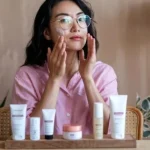
Sunscreen is one of the most important tools for protecting skin from premature aging. Regular exposure to ultraviolet radiation can contribute to wrinkles, pigmentation, rough texture, and loss of elasticity, which is why SPF deserves a permanent place in a skincare routine.
However, sun exposure is only one part of the picture.
Many of the habits that influence how quickly skin appears to age happen quietly throughout the day. They may involve sleep, stress, nutrition, hydration, cleansing routines, screen habits, or even the way you sleep at night.
Understanding these factors can help you build a more complete approach to maintaining healthy-looking skin over time.
Poor Sleep Can Show Up on Your Face
Sleep is when the body performs many of its repair and recovery processes. Consistently getting too little sleep may leave the skin looking dull, tired, or less refreshed.
A lack of quality sleep can also make dark circles, puffiness, and fine lines appear more noticeable.
Your bedtime habits matter as well. Sleeping with makeup on, failing to cleanse the skin, or using pillowcases that are rarely washed may expose the face to accumulated oil, dirt, and bacteria.
A practical nighttime routine does not need to be complicated. Gentle cleansing, basic moisturization, and adequate sleep can often provide more long-term value than constantly adding new products.
Chronic Stress May Accelerate Visible Aging
Stress affects far more than your mood.
When stress becomes persistent, the body releases stress hormones such as cortisol. Long-term stress can influence inflammation, sleep quality, oil production, and the skin’s ability to maintain a healthy barrier.
Some people also develop stress-related habits without realizing it. They may rub their face, pick at blemishes, skip meals, sleep poorly, or neglect their normal skincare routine.
Managing stress does not mean eliminating every difficult situation. Regular exercise, walking, meditation, breathing exercises, hobbies, and spending time away from work-related screens can all support healthier daily routines.
Constantly Touching Your Face
Most people touch their faces more frequently than they realize.
Hands come into contact with keyboards, smartphones, door handles, steering wheels, desks, and countless other surfaces throughout the day. Frequently touching the face may transfer oil, dirt, and microorganisms onto the skin.
Rubbing the eyes aggressively can also irritate the delicate skin around them.
Try to become more conscious of unnecessary face touching. Keeping hands clean and avoiding repeated rubbing or picking can reduce irritation and protect sensitive areas.
Not Drinking Enough Water
Water alone will not erase wrinkles, but proper hydration supports normal bodily functions and can help the skin maintain a healthier overall appearance.
When you are dehydrated, the skin may temporarily look duller, tighter, or more tired.
Hydration needs vary depending on climate, physical activity, diet, and individual health factors. Instead of relying entirely on skincare products for moisture, support your skin from within by drinking fluids regularly and eating water-rich foods such as fruits and vegetables.
A good moisturizer can then help reduce water loss from the outer layers of the skin.
A High-Sugar Diet
Frequently eating large amounts of added sugar may affect more than your waistline.
Excess sugar can contribute to a process known as glycation, in which sugar molecules interact with proteins in the body. Collagen and elastin, two proteins that help support the skin’s firmness and elasticity, may be affected by this process over time.
This does not mean you must completely remove sugar from your diet.
Instead, focus on overall dietary balance. Fruits, vegetables, whole grains, healthy fats, lean proteins, and nutrient-rich foods can support both general health and skin health.
Smoking and Frequent Exposure to Smoke
Smoking is strongly associated with premature skin aging.
Cigarette smoke exposes the body to numerous chemicals while also affecting circulation. Over time, smoking can contribute to wrinkles, uneven tone, reduced elasticity, and a dull complexion.
Repeated facial movements involved in smoking may also contribute to lines around the mouth.
Secondhand smoke is another factor worth considering. Reducing unnecessary exposure to smoke supports not only your skin but also your overall health.
Excessive Alcohol Consumption
Alcohol can contribute to dehydration and may disrupt sleep, both of which can influence how your skin looks the following day.
Frequent heavy drinking may also affect overall nutrition and inflammation.
You do not necessarily need an elaborate detox routine after drinking. Staying hydrated, eating balanced meals, getting adequate sleep, and keeping alcohol intake moderate are more practical strategies.
Over-Cleansing Your Skin
There is a common belief that skin must feel extremely clean or tight after washing.
That tight feeling is not necessarily a sign that your cleanser is working well. It may indicate that too much natural oil has been removed.
Excessive cleansing or using harsh products can weaken the skin barrier, leading to dryness, sensitivity, irritation, and increased moisture loss.
For many people, washing the face gently once or twice a day is sufficient. Choosing a cleanser suited to your skin type is usually more important than using the strongest product available.
Using Too Many Active Ingredients
Modern skincare offers countless active ingredients, including retinoids, acids, vitamin C, exfoliants, and brightening treatments.
Using several powerful ingredients simultaneously does not automatically produce faster results.
Overusing active ingredients may cause redness, peeling, dryness, burning, or irritation. Chronic irritation can make the skin appear worse rather than younger.
Introduce products gradually and give your skin time to adjust. Consistency with a simple routine is often more effective than frequently changing products.
Skipping Moisturizer Because You Have Oily Skin
People with oily or acne-prone skin sometimes avoid moisturizer because they fear it will make their skin greasier.
However, oily skin can still become dehydrated.
Using an appropriate lightweight or non-comedogenic moisturizer can help support the skin barrier without necessarily creating a heavy or greasy feeling.
Maintaining a healthy barrier becomes increasingly important with age because the skin’s natural ability to retain moisture may gradually decline.
Sleeping on the Same Side Every Night
Repeated pressure between the face and pillow may contribute to temporary sleep lines, particularly as the skin becomes less elastic with age.
These lines usually disappear quickly in younger skin but may become more noticeable over time.
Sleeping on your back may reduce facial compression, although it is not realistic or comfortable for everyone.
Using a comfortable pillow and keeping pillowcases clean may be more practical priorities.
Spending Too Much Time in Dry Indoor Air
Air-conditioned offices and centrally heated rooms can create low-humidity environments.
Dry air may increase moisture loss from the skin, especially during long periods indoors.
A good moisturizer can help protect the skin barrier. In particularly dry environments, using a humidifier may also improve indoor humidity.
Remember that lips and hands can be affected too, so moisturization should not stop at the face.
Ignoring Your Neck, Chest, and Hands
Many people carefully protect their faces while completely forgetting other areas that regularly show visible signs of aging.
The neck, upper chest, ears, and backs of the hands frequently receive significant sun exposure.
Applying sunscreen and moisturizer to these areas can provide more consistent protection.
Your skincare routine does not need to stop at the jawline.
Looking Down at Screens for Hours
Smartphones and computers are part of everyday life, but prolonged screen use can indirectly affect the appearance of your skin.
Constantly looking down may contribute to neck strain and repeated folding of the skin around the neck. Long screen sessions may also reduce physical activity, disrupt sleep, and increase stress.
Take regular breaks, position screens comfortably, and avoid using bright screens immediately before bed whenever possible.
The bigger concern is often not the screen itself but the lifestyle habits surrounding excessive screen time.
Not Eating Enough Protein
Collagen is a protein, and the body requires adequate nutrients to maintain and repair tissues.
Extreme dieting or consistently eating an unbalanced diet may affect the condition of the skin, hair, and nails.
Protein sources can include eggs, fish, dairy products, legumes, nuts, seeds, soy products, poultry, and meat.
A varied diet is generally more valuable than relying solely on supplements marketed for beauty.
Repeatedly Picking at Pimples
Picking, squeezing, or scratching blemishes can damage the surrounding skin and increase inflammation.
It may also increase the likelihood of post-inflammatory pigmentation or scarring.
Instead of repeatedly touching a breakout, consider gentle acne treatments and allow the skin time to heal.
Persistent or severe acne may benefit from professional dermatological advice.
Neglecting Exercise
Regular physical activity supports cardiovascular health and circulation while also helping many people manage stress and sleep better.
These benefits can indirectly contribute to healthier-looking skin.
Exercise does not have to involve intense workouts. Walking, cycling, swimming, resistance training, yoga, or other consistent movement can support overall wellness.
After exercising, however, avoid leaving sweat, sunscreen, or heavy makeup on the skin for extended periods.
Using Extremely Hot Water
Very hot showers may feel relaxing, but prolonged exposure to hot water can remove natural oils from the skin.
This may leave the skin dry, itchy, or irritated.
Using lukewarm water and limiting very long showers can help preserve the skin’s natural moisture barrier.
Applying moisturizer shortly after bathing can also help retain hydration.
Constant Weight Fluctuations
Repeated major weight gain and weight loss can change the way the skin stretches and contracts.
The extent to which this affects appearance depends on factors such as age, genetics, the amount of weight change, and how quickly it occurs.
Maintaining a relatively stable, healthy weight through sustainable lifestyle habits may help support both skin and overall health.
Crash diets are rarely the best strategy for long-term wellness.
Forgetting That Skin Aging Is Also Genetic
Lifestyle choices are important, but they are not the entire story.
Genetics influence collagen production, skin thickness, pigmentation, facial structure, and how early certain signs of aging appear.
Two people with similar lifestyles may still age differently.
Rather than comparing your skin with someone else’s, focus on habits that improve your own skin’s health and comfort.
A Better Anti-Aging Routine Is Often Simpler Than You Think
You do not need a bathroom cabinet filled with expensive products to support healthy skin.
A practical routine can be built around a few consistent habits: gentle cleansing, moisturizing, daily sun protection, adequate sleep, balanced nutrition, regular exercise, hydration, and avoiding smoking.
Skincare products can support these habits, but they cannot completely compensate for an unhealthy lifestyle.
Consistency matters far more than chasing every new skincare trend.
Final Thoughts
SPF remains one of the foundations of preventing premature skin aging, but protecting your skin goes well beyond sunscreen.
Poor sleep, chronic stress, smoking, excessive alcohol consumption, harsh cleansing, nutritional deficiencies, dehydration, repeated skin picking, and inconsistent skincare can all influence how your skin looks and feels over time.
The most effective strategy is not necessarily finding the strongest serum or newest treatment. It is creating everyday habits that support your skin year after year.
Small improvements made consistently can often have a greater long-term impact than complicated routines followed only occasionally.
Read More : Skin Minimalism: Why Less Product Might Be Your Best Routine Yet