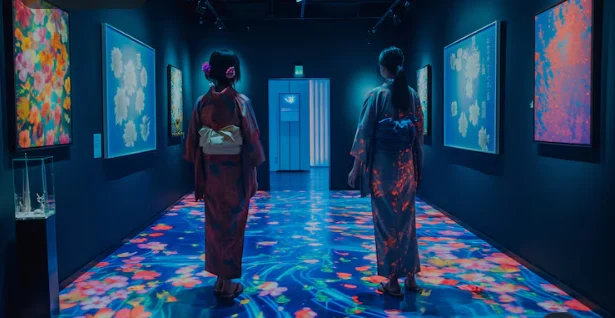
Art galleries have traditionally been places of contemplation, yet modern exhibitions are not always quiet or calming. Interactive screens, dramatic lighting, sound installations, crowded rooms, projections, and multimedia displays have transformed museums into increasingly stimulating environments.
While these experiences can make art more immersive, they can also make galleries difficult to navigate for visitors who are sensitive to noise, light, crowds, or other forms of sensory stimulation.
In response, a different type of museum experience is beginning to gain attention: the sensory-free or sensory-reduced art exhibition.
Instead of adding more technology, sound, and spectacle, these exhibitions intentionally remove distractions. They create spaces where art can be experienced through calm surroundings, predictable layouts, gentle lighting, and reduced noise.
The result is not simply a quieter gallery. It represents a broader reconsideration of what accessibility means in cultural spaces.
Understanding Sensory-Free Art Exhibitions
A sensory-free art exhibition is designed to reduce environmental stimulation that may overwhelm certain visitors.
The exact approach can vary between museums. Some institutions create dedicated sensory-friendly hours, while others design specific galleries or exhibitions around low-stimulation principles.
Common adjustments may include:
- Lower sound levels
- Reduced background music
- Softer or more consistent lighting
- Fewer flashing or rapidly changing digital displays
- Smaller visitor groups
- Quiet rooms for breaks
- Clear signage and predictable routes
- Reduced announcements
- Advance information about potentially stimulating installations
These changes can make exhibitions more comfortable for people with sensory sensitivities while also creating a slower and more reflective atmosphere for all visitors.
Why Traditional Galleries Can Feel Overwhelming
Museums have changed significantly during the past few decades.
Many galleries now compete for attention in an entertainment-driven culture. Exhibitions increasingly use projection mapping, virtual reality, surround sound, interactive installations, moving lights, touchscreens, and immersive rooms.
These technologies can create impressive experiences, but they also increase sensory intensity.
Imagine entering a gallery where several video installations play simultaneously. Voices echo across the room while screens flash different colors and visitors move constantly through the space.
For some people, the experience may feel exciting.
For others, it can quickly become exhausting.
Sensory overload can make it difficult to concentrate on the artwork itself. Visitors may spend more energy processing their surroundings than engaging with the exhibition.
Sensory-reduced environments attempt to reverse that situation.
Accessibility Beyond Physical Spaces
When people think about museum accessibility, physical access often comes to mind first.
Wheelchair ramps, elevators, accessible entrances, seating, and adapted restrooms are important parts of inclusive design. However, accessibility also involves how people experience sound, light, movement, information, and crowds.
A gallery may be physically accessible but still difficult for visitors who struggle with intense sensory environments.
Sensory-friendly exhibition design expands the idea of accessibility by considering neurological and perceptual differences.
People with autism, migraines, post-traumatic stress, sensory processing differences, anxiety, hearing sensitivities, or other conditions may benefit from calmer exhibition environments.
However, sensory-friendly spaces do not have to serve only visitors with diagnosed conditions.
Older adults, young children, people recovering from illness, and visitors simply seeking a peaceful experience may also appreciate quieter surroundings.
The Return of Silence to Art Spaces
Silence once played a central role in many galleries.
Traditional museum architecture encouraged slow movement, careful observation, and quiet conversation. Visitors were expected to spend time looking closely at paintings, sculptures, and artifacts.
As multimedia installations became more common, that atmosphere gradually changed.
Sensory-free exhibitions are bringing silence back into the gallery.
Without constant soundtracks or digital stimulation, visitors may begin noticing details that would otherwise be overlooked.
The texture of paint becomes more visible.
The proportions of a sculpture become easier to study.
Small changes in color receive greater attention.
Even the physical distance between artworks can influence how visitors interpret them.
Silence does not necessarily make an exhibition empty. Instead, it creates space for observation.
Designing a Sensory-Friendly Gallery
Creating a sensory-reduced exhibition requires more than simply lowering the volume.
Curators and exhibition designers must consider the entire visitor journey.
Lighting
Lighting is one of the most important elements.
Bright spotlights, rapidly changing projections, or flickering displays may cause discomfort for some visitors.
Sensory-friendly galleries often rely on consistent, indirect lighting that allows artworks to remain visible without creating excessive contrast.
Natural light may also be used when appropriate, although conservation requirements often limit its use.
Sound
Audio installations can be powerful artistic tools, but sound travels easily across gallery spaces.
Sensory-friendly exhibitions may place sound-based artworks in enclosed rooms or provide headphones so visitors can choose whether to participate.
Background music and unnecessary announcements may also be removed.
Space
Crowding is another major source of sensory stimulation.
Limiting visitor numbers can dramatically change the atmosphere of an exhibition.
More physical space allows visitors to move at their own pace without constantly navigating around other people.
Seating areas can also provide places to rest and observe.
Information
Unexpected experiences can sometimes create anxiety.
Providing detailed information before a visit can help visitors prepare.
Museums may publish sensory maps explaining where visitors could encounter loud sounds, bright lights, dark rooms, or interactive installations.
Some institutions also provide visual guides showing entrances, galleries, restrooms, quiet zones, and exits.
Quiet Hours Instead of Permanent Changes
Not every exhibition needs to become permanently sensory-free.
For many institutions, sensory-friendly hours offer a practical compromise.
During selected periods, museums may reduce visitor numbers, lower audio levels, adjust lighting, and turn off unnecessary multimedia elements.
These sessions allow museums to preserve the original exhibition during regular hours while providing a calmer alternative.
Early mornings are often particularly suitable because galleries tend to be less crowded.
Some museums may also offer private or small-group viewing sessions.
This flexibility allows cultural institutions to serve different audiences without requiring every visitor to experience the exhibition in the same way.
How Artists Are Responding
The movement toward quieter exhibitions may also influence artists themselves.
Artists have always experimented with silence, emptiness, simplicity, and absence.
Minimalist painters often use limited colors and forms to encourage slow observation. Sculptors may intentionally leave large areas of empty space around an artwork. Conceptual artists sometimes use silence as part of the artistic experience.
Sensory-friendly exhibition design gives these approaches new relevance.
Artists may begin considering how their work interacts with the sensory environment surrounding it.
For example, a digital installation could allow visitors to control the volume or brightness. An immersive artwork might include both high-stimulation and low-stimulation viewing options.
Accessibility can become part of the creative process rather than something added after the artwork is finished.
The Unexpected Appeal of Slower Art
Sensory-free exhibitions may have another benefit that extends beyond accessibility.
They encourage people to slow down.
Modern museum visits can sometimes become surprisingly rushed. Visitors move quickly between famous artworks, take photographs, check their phones, and continue to the next room.
Quiet galleries encourage a different rhythm.
Without constant stimulation, people may spend longer with individual artworks.
A painting that receives only a few seconds of attention in a busy gallery might hold someone’s interest for several minutes in a quieter environment.
This slower form of viewing can create deeper connections between visitors and art.
It also challenges the idea that exhibitions must constantly entertain audiences.
Sometimes the strongest artistic experience comes from simply allowing people enough time and space to look.
Technology Can Still Play a Role
Sensory-friendly design does not require museums to abandon technology.
Instead, technology can become optional rather than unavoidable.
Visitors could use personal devices to access audio descriptions instead of hearing speakers throughout the gallery.
Interactive displays could include adjustable brightness and volume.
Museum apps could provide customizable tours where visitors choose between text, audio, or visual explanations.
Digital reservation systems could also help control visitor numbers during sensory-friendly sessions.
Technology becomes most useful when it gives visitors greater control over their experience.
Training Museum Staff
The physical environment is only one part of accessibility.
Museum staff also play an important role.
Employees who understand sensory sensitivities can help visitors find quiet areas, alternative routes, seating, or less crowded galleries.
Training may include recognizing when someone is becoming overwhelmed and responding calmly without drawing unnecessary attention.
Clear communication is especially important.
Visitors should feel comfortable asking questions about lighting, sound, crowds, or available accommodations before entering an exhibition.
A supportive staff culture can make sensory-friendly programs much more effective.
Creating Inclusive Cultural Spaces
Museums increasingly recognize that visitors experience art in different ways.
Some people want immersive installations filled with sound and movement.
Others prefer quiet rooms where they can concentrate.
Neither experience is inherently better.
Inclusive exhibition design allows both to exist.
The goal is not to remove creativity or technology from museums. Instead, it is to create choices.
A visitor might explore an interactive exhibition one day and attend a sensory-reduced session another day.
Giving audiences greater control makes cultural institutions more welcoming to a wider range of people.
A New Definition of Immersion
Interestingly, sensory-free exhibitions may change how we think about the word “immersive.”
Immersion is often associated with large projections, surround sound, virtual environments, and spectacular technology.
But immersion can also come from intense concentration.
Standing quietly in front of a single painting for ten minutes can be deeply immersive.
Observing the surface of a sculpture from different angles can create a powerful sense of connection.
Silence can focus attention just as effectively as technology.
In this sense, sensory-free galleries do not reduce the artistic experience. They offer another way of entering it.
The Future of Quiet Exhibitions
As museums continue experimenting with accessibility, sensory-friendly programs are likely to become more common.
Future galleries may include permanent quiet zones, adjustable multimedia installations, sensory maps, reserved low-capacity sessions, and personalized visitor experiences.
Architects may also begin designing exhibition spaces with better sound isolation and flexible lighting systems.
The most successful museums will probably not choose between high-tech exhibitions and quiet galleries.
They will create environments capable of supporting both.
Visitors will have more freedom to choose how intensely they want to experience art.
Final Thoughts
The rise of sensory-free art exhibitions reflects a larger shift in how cultural institutions understand their audiences.
Museums are discovering that accessibility involves more than removing physical barriers. It also means recognizing differences in how people process sound, light, movement, crowds, and information.
Quiet galleries offer something increasingly rare in everyday life: uninterrupted attention.
When unnecessary noise disappears, artwork has more room to speak for itself.
And sometimes, when a gallery goes silent, visitors may discover that they are finally able to hear what the art has been saying all along.
Read More : What Does Fawk Mean in Text? The Real Meaning May Surprise You