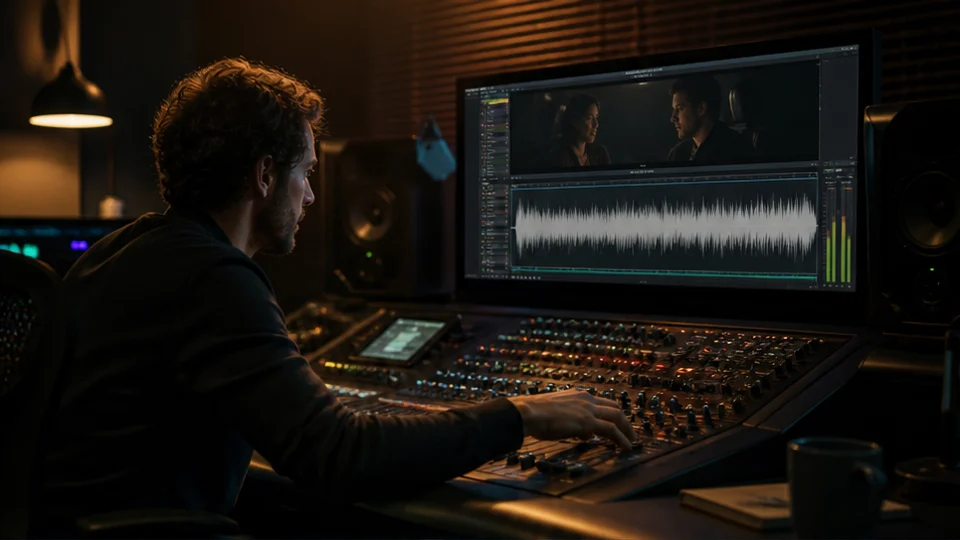
Sound can influence how people experience a place, even when they are not physically there. The gentle movement of leaves in a botanical garden, distant footsteps in a historic building, or the soft atmosphere of a coastal walkway can make a digital environment feel more convincing. These details help audiences imagine not only what a location looks like, but also what it might feel like to spend time there.
This is especially useful when creating virtual tours, location-based presentations, educational experiences, and digital environments. Seed Audio 1.5 offers a way to explore audio ideas during the creative process, helping creators think about the relationship between a place, its atmosphere, and the sounds associated with it.
Why Location-Based Audio Deserves Attention
When people explore a location, they naturally notice more than its appearance. They hear changes in the environment, recognize familiar sounds, and use those details to understand what is happening around them. A quiet library, for example, has a different sound character from a busy railway station. A mountain trail may feature wind, birds, and distant water, while an indoor exhibition might have subtle footsteps and occasional conversations. These sounds provide information without requiring additional explanation.
Digital experiences can lose some of this richness when they focus entirely on visuals. A virtual tour may show a beautiful landscape, but without suitable environmental sound, the experience can feel incomplete. Location-based audio helps address this gap. It gives creators another way to communicate atmosphere, scale, activity, and mood. The goal is not to fill every moment with sound. Instead, it is to select details that make the setting easier to imagine.
Understanding the Role of Seed Audio 1.5
Seed Audio 1.5 can support the development of sound ideas for different environments. Rather than treating audio as a final decorative addition, creators can consider it during the planning stage. This approach is useful when a project includes several locations with different identities. A digital heritage tour, for instance, might move from an outdoor courtyard to a covered market and then into a quiet historical room. Each location needs its own acoustic character. Creators can begin by describing the environment and identifying the sounds that belong there. They might consider the size of the space, the level of activity, the surrounding landscape, and the time of day. These details provide a clearer creative direction than a general request for background sound.
Visual references can also help establish the intended atmosphere. A creator developing a nature-focused experience might use Dreamina to explore visual concepts for a woodland setting before considering the corresponding audio environment. Keeping visual and sound planning connected can make the overall experience more coherent.
Five Environments That Benefit From Thoughtful Sound
Different locations require different audio decisions. A useful starting point is to examine what makes each environment recognizable.
1. Botanical gardens and natural spaces
Natural environments often contain several layers of sound. Birds may be heard in the distance, leaves may move in the breeze, and water may create a gentle background presence. These elements can help a virtual visitor feel surrounded by nature. The challenge is balance. Too many prominent sounds can make a peaceful garden feel crowded. A restrained approach usually communicates the environment more effectively.
2. Historic buildings and heritage sites
Older buildings have distinctive acoustic qualities. A large stone hall may feel spacious and reflective, while a narrow corridor can create a more enclosed impression. Audio planning for heritage experiences should respect the character of the location. Rather than adding dramatic effects everywhere, creators can consider subtle environmental details that support the historical setting without distracting from its story.
3. Markets and public squares
Busy public spaces are defined by activity. Distant conversations, movement, footsteps, and the general presence of people can help establish a sense of community. However, the sound should reflect the intended experience. A presentation about a peaceful morning market would need a different atmosphere from one showing a crowded festival afternoon.
4. Coastal paths and waterfront locations
Waterfront environments offer a recognizable combination of natural and human activity. Waves, wind, seabirds, and distant boats can contribute to the setting. Creators should consider how the atmosphere changes between an exposed shoreline and a sheltered harbor. Even when the locations are close together, their sound identities may be noticeably different.
5. Indoor exhibitions and visitor centers
Exhibition spaces often require a more controlled sound environment. Visitors need to concentrate on displays, read information, and move between sections without constant distraction. Subtle room ambience can help create a sense of place while leaving space for narration, interactive elements, or other important information.
Planning a Location’s Sound Identity
A practical way to begin is to create a short sound profile for every location in the project. This does not need to be complicated. It simply gives the creative team a shared understanding of what the environment should communicate. A useful profile can include:
- Location: Where does the scene take place?
- Atmosphere: Should it feel peaceful, energetic, formal, or lively?
- Main sound details: Which environmental sounds make the place recognizable?
- Background activity: What should remain subtle and consistent?
- Audience focus: What should visitors notice while exploring?
This process can prevent one of the most common creative problems: making every location sound similar. When the sound profile changes with the environment, visitors can sense that they have moved somewhere new. Seed Audio 1.5 can be considered as part of this exploration, allowing creators to develop audio concepts around the qualities they want each location to express.
Avoiding Common Mistakes in Environmental Audio
More sound does not automatically create a better experience. In fact, excessive audio can make a digital tour tiring, particularly when visitors spend several minutes exploring different spaces. One common mistake is choosing sounds because they seem attractive rather than because they belong in the environment. A dramatic musical atmosphere may work for a promotional introduction, but it may feel inappropriate during a quiet museum tour. Another issue is inconsistency. If the audio changes sharply between connected spaces without a clear reason, the experience can feel disconnected. Transitions should reflect how visitors move through the environment.
Creators should also consider repetition. A short sound effect repeated too frequently can become noticeable and distracting. Listening to the complete experience, rather than judging individual clips in isolation, helps reveal these problems. Finally, accessibility and user control matter. Visitors should have suitable volume options and, where appropriate, the ability to reduce or disable background audio. Sound should improve exploration, not become a barrier to it.
Reviewing the Experience Before Publication
The final review should focus on the visitor’s experience rather than technical details alone. Ask whether the audio communicates the location clearly, whether it supports the visuals, and whether any element competes with important information. It is also useful to test the experience on different devices. Headphones may reveal subtle details that are less noticeable through built-in speakers. A soundscape that feels balanced in a quiet room might become overwhelming in a noisy environment.
Feedback from people unfamiliar with the project can be particularly valuable. If they can describe the atmosphere of a location without being told what to expect, the audio is probably communicating its intended purpose.
Conclusion
Location-based audio can turn a digital presentation into a more engaging experience by helping audiences understand the atmosphere and character of different places. From botanical gardens and historic buildings to busy markets and waterfront paths, every environment has its own sound identity. Seed Audio 1.5 can contribute to the creative exploration of these environments by supporting a more deliberate approach to audio planning. When creators begin with the location, choose sounds with a clear purpose, and review the complete visitor experience, they can build digital spaces that feel more coherent and memorable. The most effective sound design is not necessarily the loudest or most elaborate. It is the kind that makes a place feel believable.
Frequently Asked Questions
What is location-based audio in a digital experience?
It is a sound designed to reflect a particular place or environment. It may include natural ambience, public activity, indoor atmosphere, or other details that help visitors understand the setting.
Can Seed Audio 1.5 support virtual tour projects?
It can be explored as part of the audio creation process for virtual tours, especially when different locations need distinct atmospheres and environmental sound concepts.
Should every location in a virtual tour have background audio?
No. Some locations benefit from quiet or even silence. Audio should be included when it adds useful context or improves the visitor’s experience.
How can creators make environmental audio feel realistic?
They should consider the location, its activity level, surrounding conditions, and the sounds visitors would naturally expect to hear there. Careful review also helps prevent distracting repetition.
Why should audio be tested on different devices?
Speakers and headphones reproduce sound differently. Testing across devices helps creators identify volume imbalances, unclear details, and sounds that may become distracting in everyday listening conditions.
Read more : Silent Thunder: The Hidden Engineering Behind Electric Supercar Sound Design