The way people communicate online is changing as artificial intelligence introduces new possibilities for digital creativity. Images are no longer limited to displaying a single moment. With modern animation technology, an ordinary photograph can become a character that speaks, expresses emotions, and communicates a complete message. This development is creating exciting opportunities for digital artists, online entrepreneurs, educators, and entertainment creators.
Two technologies playing an important role in this transformation are lip sync AI and talking photo AI. They allow users to turn photographs into animated presentations without needing advanced animation knowledge. Whether someone wants to build a virtual spokesperson, create entertaining social media videos, or develop engaging educational material, these technologies offer a convenient starting point.
Giving Ordinary Images a New Purpose
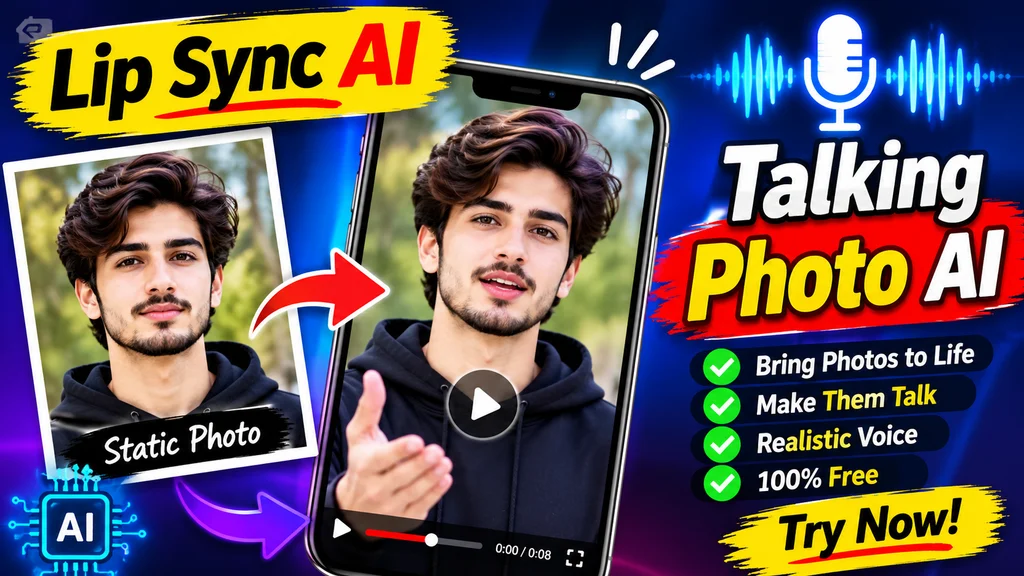
A photograph usually captures a moment without movement or sound. Although pictures are useful for sharing memories and information, they cannot communicate spoken messages independently. AI animation changes this experience by introducing movement and speech to static visuals.
Talking photo AI uses artificial intelligence to animate facial features within an uploaded photograph. Depending on the platform, the generated character may move its lips, adjust facial expressions, and appear to speak naturally. Users can provide an audio recording or, where supported, enter written text and select an artificial voice.
This approach creates an interesting alternative to conventional video production. Rather than arranging a recording session, users can develop a digital presentation using existing visual material.
For example, an online store could create an animated character to introduce a new product collection. Similarly, a blogger could use a digital presenter to explain a topic without appearing personally in front of a camera.
Why Lip Synchronization Matters
Realistic animation depends on more than making a face move. The movements should correspond with the sounds being produced. This is where lip sync AI becomes particularly valuable.
Human speech contains different sounds that require specific mouth positions. Letters and syllables produce variations in lip shape, jaw movement, and facial positioning. AI systems analyze audio patterns and use this information to generate matching visual movements.
Without accurate synchronization, an animated character may appear to speak at the wrong time. Even small differences between audio and facial movement can make a video feel unnatural.
Modern AI solutions attempt to reduce these problems by examining speech timing and generating corresponding facial animation. Some platforms also support different languages and voice styles, allowing creators to develop content for audiences with different communication preferences.
The technology is especially useful when a creator wants to reuse the same visual character for multiple presentations.
Creative Opportunities Across Different Industries
The combination of image animation and speech synchronization is not limited to entertainment. Different industries can use these capabilities to improve their digital communication.
1. Virtual Brand Representatives
Businesses often need consistent ways to introduce products and explain services. An animated spokesperson can deliver short announcements, welcome visitors, or provide basic information. Companies can prepare several scripts and produce different presentations without repeatedly recording a real person.
2. Digital Entertainment
Storytellers and independent artists can experiment with animated photographs to develop characters for creative projects. A historical photograph, fictional portrait, or original character can become part of a digital storytelling experience. Creators should ensure they have the necessary rights and permissions before using recognizable individuals.
3. Language Learning
Language instructors can use animated presenters to introduce vocabulary, demonstrate pronunciation, and deliver short conversations. When different audio tracks are available, the same visual presentation can support lessons in several languages.
4. Customer Communication
Companies can create simple video messages explaining frequently asked questions, introducing new services, or guiding customers through basic processes. A friendly animated presenter may make information more approachable than a long written explanation.
5. Social Media Experiments
Content creators can explore different storytelling formats using animated portraits. Short introductions, humorous characters, fictional conversations, and creative announcements are examples of content that can benefit from AI-powered facial animation.
Creating an Animated Presentation Without Complicated Editing
One reason these technologies are attracting attention is their relatively simple workflow. Most beginner-friendly platforms organize the process into a few manageable stages.
Start by selecting an image that clearly shows the subject’s face. A front-facing portrait with balanced lighting is often a good choice because facial details are easier for the software to analyze.
Next, prepare the message. Instead of writing a complicated speech, create a short script with natural wording. If the platform supports text-to-speech, select a suitable voice and generate the audio. Otherwise, record your own narration in a quiet environment.
After preparing the audio, upload it alongside the selected photograph. The AI processes the available information and generates facial movements that correspond with the speech. Depending on the platform, additional settings may allow users to adjust animation styles or other visual characteristics.
Once processing is complete, preview the result. Listen carefully to the narration and observe whether the facial movements match the spoken words. If something looks incorrect, consider changing the audio, photograph, or available animation settings before exporting the final video.
Important Features to Consider Before Selecting a Platform
Not every AI animation service provides the same experience. Some focus on simple portrait animation, while others offer a broader collection of video creation features.
Before choosing a tool, consider the following factors:
- Image compatibility: Check which image formats and portrait styles are supported.
- Audio flexibility: Look for options to upload existing recordings or generate speech from text.
- Synchronization quality: Evaluate how naturally the mouth movements match the selected audio.
- Language support: Check whether the platform supports the languages required for your audience.
- Export options: Consider video resolution, file formats, and available download settings.
- Pricing structure: Review free credits, subscription costs, watermarks, and usage restrictions.
- Privacy policies: Understand how the service handles uploaded photographs, recordings, and other personal information.
Testing a few sample projects before purchasing a subscription can help users understand whether a particular service meets their expectations.
Common Problems and How to Improve Results
Although AI animation can simplify video creation, the output is not always perfect. Poor-quality photographs may produce unusual facial movements, while noisy recordings can affect the timing of generated speech.
One common issue is selecting an image with an obstructed face. Sunglasses, hands covering the mouth, extreme camera angles, and heavy shadows can make facial analysis more difficult.
Another challenge involves unnatural narration. Audio that sounds robotic or contains long pauses may reduce the quality of the presentation. Choosing a suitable voice and preparing a well-written script can make a noticeable difference.
Creators should also avoid expecting every generated expression to look completely human. AI animation is improving, but certain movements may still appear artificial. Reviewing the final video before publication remains an important step.
Responsible Use of AI-Generated Faces and Voices
As these tools become more accessible, responsible content creation is increasingly important. Animating someone’s photograph or reproducing their voice without permission can create privacy and reputational concerns.
Users should obtain consent before creating realistic speaking videos featuring other people. They should also avoid presenting fictional or AI-generated statements as genuine recordings of real individuals.
For commercial projects, it is sensible to review copyright rules, platform policies, and applicable regulations. Transparency can help audiences understand when content has been generated or modified using artificial intelligence.
What Comes Next for AI Animation?
The future of digital animation is likely to include more flexible character customization, improved speech synchronization, and better control over facial expressions. These developments could make it easier for creators to produce personalized videos for different audiences.
The growing capabilities of lip sync AI and talking photo AI also suggest that image-based communication will continue expanding beyond traditional photographs. Businesses may use animated presenters for customer education, while independent creators experiment with entirely new forms of digital storytelling.
Conclusion
Turning photographs into speaking characters represents an important development in modern content creation. AI animation makes it possible to transform static images into engaging presentations while reducing the technical effort associated with conventional video production.
By combining realistic facial movement, clear narration, and thoughtful storytelling, creators can develop useful content for education, marketing, entertainment, and online communication. With the right images, suitable audio, and responsible practices, these technologies can become valuable additions to a modern digital creator’s toolkit.
Read More : From Prototype To Practice: How Test Flights Turn Aerospace Ideas Into Useful Aircraft