When someone we love passes away, many of us look for a meaningful way to remember them. A memorial bench offers a quiet, lasting tribute. It provides a place to sit, reflect and feel close to that person, while also offering rest and comfort to others who pass by. Teak memorial benches are a popular choice, combining natural beauty with exceptional durability. Here is what to consider when choosing a memorial bench to honour a loved one.
Why memorial benches are so meaningful
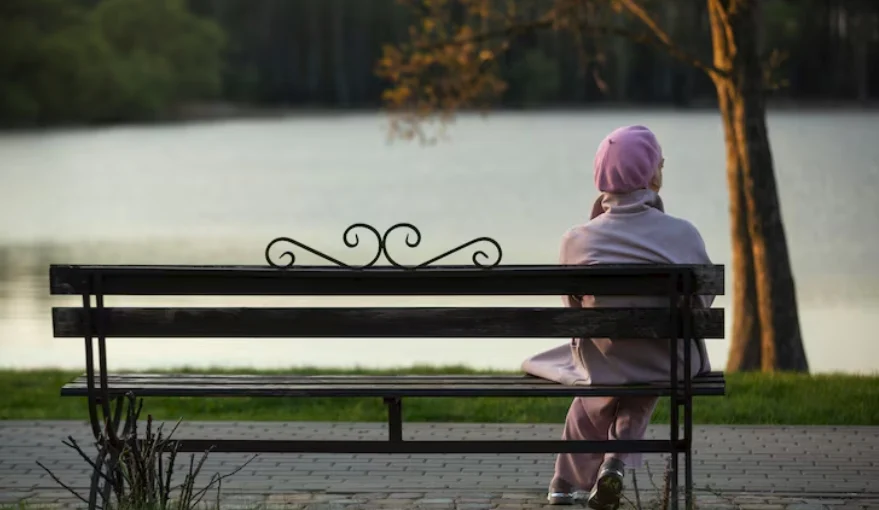
A memorial bench is more than a piece of outdoor furniture. It creates a place of remembrance, often in a location that held special significance for the person being remembered. It might overlook a favourite view, sit beside a walking route they loved or stand in a garden they tended for years.
Unlike some memorials, a bench is something people can use and enjoy. Family and friends can return to it to remember, and strangers can stop to rest, perhaps reading the inscription and sharing a moment of reflection. Many people find comfort in knowing that their loved one’s memory brings peace to others.
Why teak is ideal for memorial benches
A memorial bench needs to withstand years of exposure to the elements, often in open, exposed locations. Teak is one of the best materials for this purpose. Its natural oils and dense grain make it highly resistant to moisture, rot and insects, allowing it to remain outdoors throughout the year without painting or varnishing.
Over time, teak weathers gracefully to a soft silver-grey patina, blending naturally with its surroundings. With minimal care, a quality teak bench can last for decades, making it a fitting and enduring tribute.
Choosing a location
The location of a memorial bench is often its most important feature. Many families choose a place that was meaningful to their loved one, such as a park, coastal path, nature reserve, sports ground, school or church.
If the bench is to be placed on public land, you will usually need permission from the landowner. Many local councils, parks and nature reserves run memorial bench schemes, which set out where benches can be placed, the styles and materials permitted, the cost and how long the bench will remain in place. Some schemes require benches to meet specific design standards, so check these requirements before choosing a bench. Churchyards may have their own rules, and permission is often needed from the church or diocese.
A memorial bench can also be placed in a private garden, giving family members a personal space to remember their loved one at home.
Personalising with a plaque
A plaque turns a bench into a personal memorial. Most memorial benches feature a plaque fixed to the backrest, bearing the name of the person being remembered, along with dates and a short message. Plaques are typically made from durable materials such as brass or stainless steel, which can withstand the weather for many years. Some benches can have inscriptions carved or engraved directly into the wood.
Choosing the words can be one of the most meaningful parts of the process. Some families choose a simple dedication, while others include a favourite quote, a personal phrase or a reference to the person’s passions. Keeping the message concise ensures it fits comfortably and remains easy to read.
Choosing the right design
Teak memorial benches come in a range of styles, from traditional designs with curved arms and slatted backs to simpler, contemporary benches. Consider the setting when choosing a style. A classic bench may suit a park or country garden, while a simpler design might be better for a coastal or modern location.
Size is another consideration. Two-seater benches suit quieter spots, while larger benches provide more seating in popular places. Browsing a dedicated range of teak memorial benches can help you find a design that suits both the location and the person you are honouring.
Installation and stability
For public locations, benches usually need to be securely fixed in place, either bolted to a concrete base or anchored into the ground. This helps prevent theft and ensures the bench remains stable and safe. Many council schemes handle installation themselves or specify how benches must be fitted. For private gardens, placing the bench on a firm, level surface such as paving or gravel helps it stay stable and allows the wood to dry after rain.
Caring for a memorial bench
Teak memorial benches need very little maintenance. An occasional clean with mild soapy water and a soft brush helps remove dirt and any surface mildew. Plaques can be cleaned gently to keep them legible. Some council schemes include maintenance as part of the agreement, while family members may choose to care for a bench themselves, which can become a meaningful act of remembrance.
A shared act of remembrance
Some families choose to fund a memorial bench together, with relatives, friends, colleagues or community groups contributing. This can bring people together in remembering someone special and creates a shared tribute that reflects how many lives they touched.
A lasting tribute
A teak memorial bench offers a beautiful, enduring way to honour a loved one. By choosing a meaningful location, a fitting design and a heartfelt inscription, you can create a place of reflection and comfort that will last for many years. Each time someone sits on the bench, the memory of your loved one lives on.
Read More : Simple Home Decor Ideas to Make Your Living Space More Beautiful and Comfortable