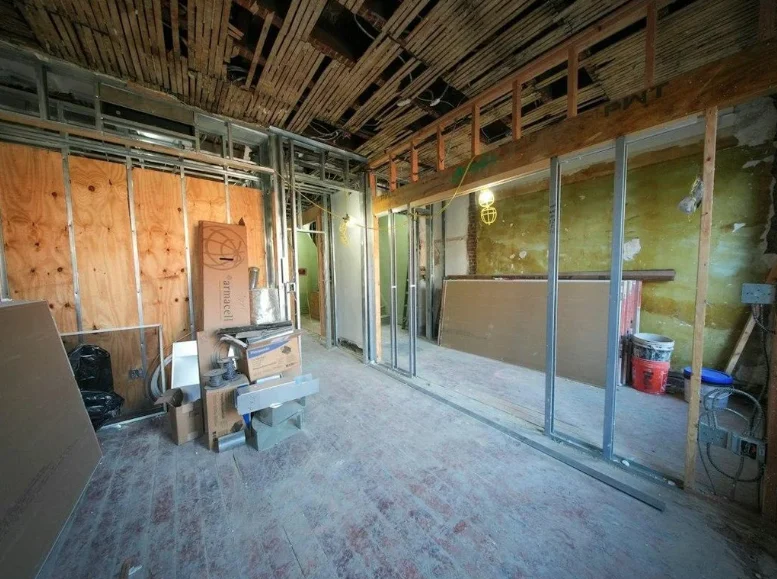
Understanding Property Disasters: Types of Home Emergency and Restoration Needs
Home emergencies manifest in various forms, each presenting unique challenges and requiring specialized restoration approaches. From the silent drip of a burst pipe to the devastating roar of a grease fire, these incidents can quickly escalate, causing extensive damage and disrupting lives. Understanding the most common types of home emergencies is the first step in preparing for and effectively responding to them.
Common emergencies we frequently encounter include:
- Burst Pipes and Appliance Leaks: Often sudden, causing rapid water accumulation.
- Grease Fires: Can spread quickly, leading to structural burns and pervasive smoke damage.
- Storm Fallout: High winds, hail, and heavy rains can cause roof punctures, flooding, and structural compromise.
- Sewage Backups: A biohazard emergency requiring immediate and specialized cleanup.
- Biohazards: Beyond sewage, this can include chemical spills or trauma scene cleanup.
- Structural Compromise: Resulting from severe impact, fire, or prolonged water saturation.
The speed and nature of the damage dictate the urgency and type of restoration needed.
Water and Moisture Emergencies
Water damage is arguably the most prevalent home emergency, stemming from a variety of sources. This can range from a sudden pipe burst or an overflowing toilet to appliance leaks (like washing machines or water heaters) and flash flooding. The insidious nature of water means it can quickly penetrate structural elements, saturating drywall, flooring, insulation, and even foundational components. Beyond visible damage, water can cause hidden issues like ceiling collapses and compromise the integrity of building materials.
The real danger with water emergencies lies in secondary water damage. If not addressed promptly and thoroughly, standing water and excessive moisture create a perfect breeding ground for mold, rot, and structural decay. For instance, we’ve seen cases where a small, undetected leak led to widespread mold behind walls, requiring extensive remediation years later. The average cost of water damage restoration typically falls between $1,300 and $5,600, but this can escalate significantly with delays. In some regions, like Texas, every hour of untreated water damage can cost homeowners an average of $1,200 or more in secondary damage, highlighting the critical need for immediate action.
Fire, Smoke, and Soot Disasters
Fire emergencies, while often less frequent than water incidents, can be far more destructive. Beyond the immediate structural burns caused by flames, homeowners must contend with the pervasive aftermath of smoke and soot. Acidic soot, a byproduct of combustion, can etch and permanently stain surfaces, often continuing to cause damage long after the fire is extinguished. We’ve observed that fire soot permanently bonds to surfaces in as little as 72 hours, making rapid cleaning essential to salvage belongings and structural components.
Smoke penetration is another significant challenge. Smoke particles can infiltrate every porous surface, from upholstery and carpets to clothing and even the HVAC system, distributing odors throughout the entire property. Addressing fire damage involves not just repairing structural elements but also comprehensive soot removal, thorough cleaning of all affected surfaces, and advanced odor elimination techniques to ensure the home is safe and habitable again. The national average for fire damage repair is around $12,900, but extensive whole-home repairs can soar up to $72,300, emphasizing the financial impact of such events.
Storm Fallout and Power Outages
Severe weather events, common across many parts of the country, frequently lead to home emergencies. High winds can cause roof punctures, dislodge shingles, and even fell trees onto properties, resulting in significant structural damage. Heavy rainfall often accompanies these storms, leading to basement flooding, overwhelmed drainage systems, and water intrusion through damaged roofs or windows.
Immediate actions like emergency board-up services for broken windows and doors, and tarping for damaged roofs, are crucial to prevent further water intrusion and secure the property against elements or vandalism. Beyond direct physical damage, storms often trigger widespread power outages. For homes reliant on electricity for sump pumps, heating, or cooling, a prolonged outage can quickly turn into another emergency, such as basement flooding or frozen pipes. Having access to reliable backup power can be a game-changer in these situations, preventing secondary damage and maintaining essential home functions until utility services are restored.
The Core Phases: Mitigation, Remediation, and Reconstruction
When disaster strikes, the journey back to normalcy involves distinct, yet interconnected, phases: mitigation, remediation, and reconstruction. Understanding these stages is key to comprehending the comprehensive nature of professional home emergency and restoration services.
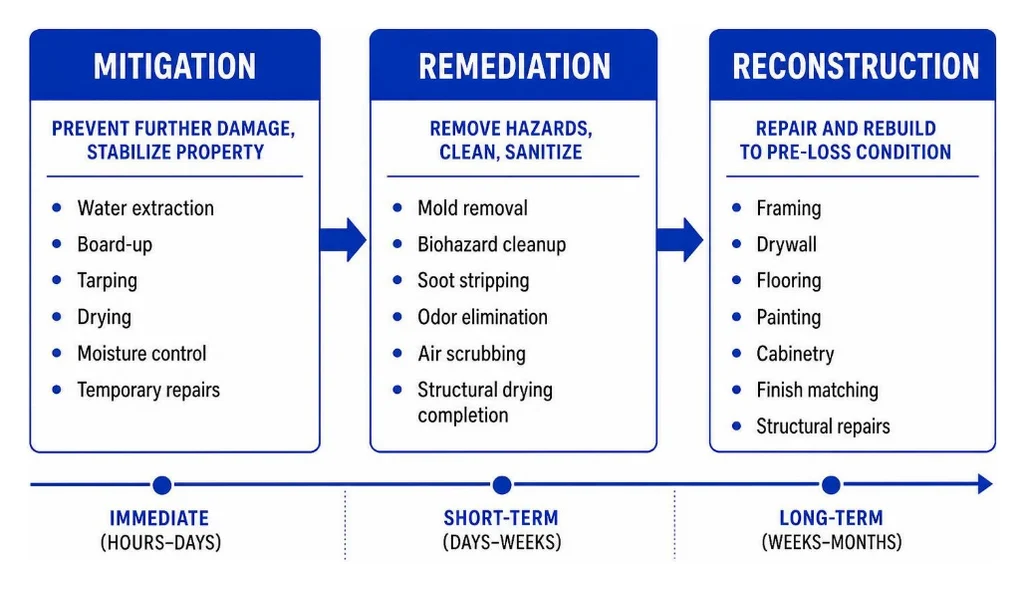
Phase Objective Timeline Common Actions Mitigation Prevent further damage, stabilize property Immediate (hours-days) Water extraction, board-up, tarping, drying, moisture control, temporary repairs Remediation Remove hazards, clean, sanitize Short-term (days-weeks) Mold removal, biohazard cleanup, soot stripping, odor elimination, air scrubbing, structural drying completion Reconstruction Repair and rebuild to pre-loss condition Long-term (weeks-months) Framing, drywall, flooring, painting, cabinetry, finish matching, structural repairs Damage Mitigation
Damage mitigation is the immediate, emergency response phase aimed at preventing further damage and stabilizing the property. This is where speed is paramount. As soon as an emergency occurs – a burst pipe, a fire, or storm damage – professional restoration teams should be dispatched to limit the spread of destruction. Our experience shows that every hour of delay increases total restoration costs by 10-15%. For instance, in water damage scenarios, every hour of untreated water damage can cost homeowners an average of $1,200 or more in secondary damage.
Key actions during mitigation include:
- Emergency Response: Arriving on-site quickly, often within 60 minutes for severe emergencies, to assess and contain the situation.
- Water Extraction: Rapid removal of standing water using powerful pumps and vacuums.
- Board-Up Services: Securing compromised windows, doors, or roofs to prevent further intrusion or unauthorized access.
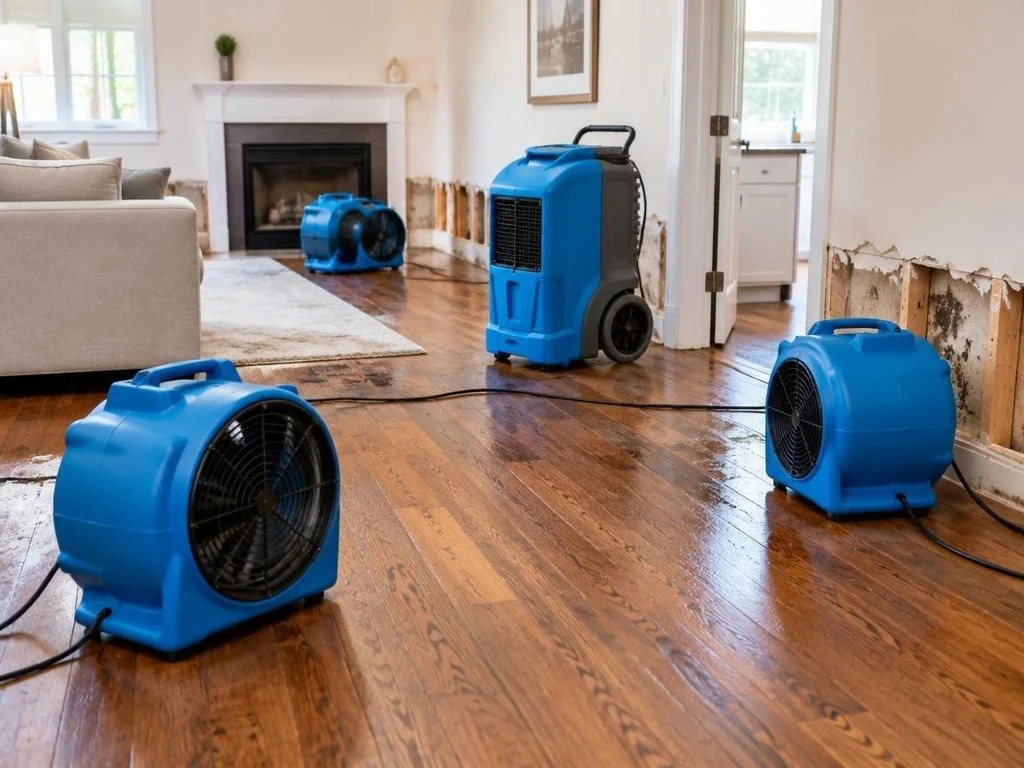
- Moisture Control: Deploying industrial-grade dehumidifiers and air movers to dry out affected areas and prevent mold growth.
- Asset Protection: Moving salvageable belongings to a safe, dry location to protect them from ongoing damage.
The goal of mitigation is to stop the clock on damage progression, making subsequent remediation and reconstruction efforts more efficient and less costly.
Environmental Remediation
Following mitigation, environmental remediation focuses on the thorough removal of hazardous substances and the comprehensive cleaning and sanitization of the affected environment. This phase is critical for ensuring the health and safety of the occupants once the restoration is complete.
Key aspects of remediation include:
- Mold Removal (Abatement): If moisture has been present for too long, mold can begin to grow within 24–48 hours, and in humid climates, this can accelerate to as little as 12 hours. Professional mold remediation involves containment, removal of contaminated materials, and antimicrobial treatment.
- Biohazard Cleanup: For incidents involving sewage backups, chemical spills, or other biological contaminants, specialized protocols are followed to safely clean, disinfect, and dispose of hazardous materials.
- Soot Stripping and Odor Elimination: After a fire, remediation includes removing acidic soot from surfaces and employing advanced techniques like thermal fogging or hydroxyl generation to neutralize pervasive smoke odors.
- Air Scrubbing: Using HEPA-filtered air scrubbers to remove airborne contaminants, dust, and microscopic particles, improving indoor air quality.
- Sanitization: Applying professional-grade disinfectants to all affected surfaces to eliminate bacteria and other pathogens.
Remediation ensures that the home is not only structurally sound but also free from health hazards, setting the stage for the final reconstruction.
Full-Service Home Emergency and Restoration Rebuild
Once mitigation has stopped the immediate threat and remediation has cleaned and sanitized the environment, the final phase is full-service reconstruction. This is where the property is repaired and rebuilt to its pre-loss condition, or often, even better. Many restoration firms specialize only in drying or cleanup, requiring homeowners to find a separate general contractor for the rebuild. However, a full-service approach streamlines the entire process.
This comprehensive phase often involves:
- General Contracting: Managing all aspects of the rebuild, from planning and permitting to subcontractor coordination.
- Drywall Replacement: Installing new drywall in areas damaged by water, fire, or impact.
- Structural Framing: Repairing or replacing compromised wooden or metal framing components.
- Finish Matching: Skillfully matching existing paint colors, textures, flooring, and cabinetry to ensure a seamless repair that doesn’t “announce itself.”
- Flooring Installation: Replacing damaged flooring, whether it’s hardwood, tile, carpet, or laminate.
- Cabinetry and Countertop Replacement: Installing new kitchen or bathroom fixtures as needed.
- Painting and Finishing: Applying final coats of paint and ensuring all finishes are restored.
The advantage of a single, full-service team is that it eliminates the potential for communication gaps, scheduling conflicts, and accountability issues that can arise when multiple companies are involved. This integrated approach ensures a smoother, faster, and less stressful path to getting your home back.
Critical Protocols for Water, Fire, and Mold Recovery
Effective home emergency and water fire and mold restoration relies on adherence to critical industry protocols and the use of specialized equipment. Rapid response, often within 60 minutes of an emergency call, is a cornerstone of these protocols, as it significantly minimizes secondary damage. For instance, the window for mold growth after water damage is incredibly narrow, making immediate action non-negotiable.
Water Damage Extraction and Advanced Drying
Professional water damage restoration follows stringent guidelines, primarily the IICRC S500 Standard for Water Damage Restoration. This standard ensures a systematic and thorough approach to drying and dehumidification.
Key steps and equipment include:
- Submersible Pumps: Used for removing large volumes of standing water quickly.
- Industrial-Grade Wet/Dry Vacuums: For extracting water from carpets, padding, and hard surfaces.
- Moisture Meters and Thermal Imaging: Essential tools for accurately identifying the extent of moisture penetration, including hidden moisture within walls or under flooring. This allows technicians to target drying efforts precisely.
- Industrial Dehumidifiers: These powerful machines remove moisture from the air, preventing further saturation and accelerating the drying process of structural materials and contents.
- High-Volume Air Movers (Fans): Strategically placed to create airflow across wet surfaces, promoting evaporation.
- Containment Barriers: Used to isolate affected areas, enhancing the efficiency of drying and preventing moisture migration to unaffected zones.
These advanced techniques ensure that not only visible water is removed, but also that hidden moisture is eliminated, preventing long-term issues like structural decay and mold growth.
Fire Smoke Neutralization and Odor Control
Fire damage restoration extends far beyond just structural repairs; it involves meticulous cleaning and complete odor neutralization. Smoke odors can be incredibly stubborn, requiring specialized techniques to eradicate them permanently.
Professional protocols include:
- Thermal Fogging: Replicates smoke particles to penetrate porous materials and neutralize odors at a molecular level.
- Hydroxyl Generators: Use a natural process to create hydroxyl radicals, which are highly effective at neutralizing odors, even those deeply embedded in materials, without the harshness of ozone.
- Air Scrubbers: Equipped with HEPA and activated carbon filters, these units continuously clean the air, removing smoke particles and volatile organic compounds (VOCs) that contribute to odors.
- Soot Sponges: Specialized sponges used for dry cleaning surfaces to remove soot without smearing or further damaging materials.
- HVAC Duct Decontamination: Thorough cleaning and deodorization of the heating, ventilation, and air conditioning system to prevent the recirculation of smoke particles and odors throughout the home.
These combined efforts ensure that the home not only looks clean but also smells fresh and is free from the lingering reminders of fire damage.
Rapid Mold Abatement Protocols
Mold growth is a serious concern following water damage, as it can begin within 24–48 hours. Professional mold abatement strictly adheres to the IICRC S520 Standard for Professional Mold Remediation, prioritizing containment and safety.
The key steps in mold abatement include:
- Containment Barriers: Establishing physical barriers, often with plastic sheeting and negative air pressure, to prevent mold spores from spreading to unaffected areas during the remediation process.
- HEPA Filtration: Using HEPA-filtered air scrubbers and vacuums to capture microscopic mold spores from the air and surfaces.
- Removal of Contaminated Materials: Safely removing and disposing of porous materials (like drywall, insulation, and carpet) that have been contaminated with mold.
- Antimicrobial Treatment: Applying EPA-registered antimicrobial solutions to non-porous surfaces to kill mold and inhibit future growth.
- Humidity Stabilization: Controlling indoor humidity levels to prevent future mold recurrence.
- Post-Remediation Verification: Often involving independent testing to ensure that mold levels have returned to normal, healthy levels.
Rapid and professional mold abatement is critical not only for protecting the structural integrity of the home but also for safeguarding the health of its occupants.
Navigating Insurance Claims and Choosing Qualified Professionals
Dealing with property damage is stressful enough without the added burden of insurance claims and finding the right help. Professional restoration services often play a crucial role in simplifying this process and ensuring homeowners receive the coverage they’re entitled to.
Documenting Damage for Insurance Approval
One of the most valuable services a professional restoration company provides is meticulous documentation for insurance claims. This is essential because insurance adjusters rely on detailed evidence to approve coverage and determine the scope of work.
Effective documentation includes:
- Photo and Video Evidence: Comprehensive visual records of the damage before any work begins, capturing the extent and nature of the loss.
- Moisture Logs: For water damage, detailed readings from moisture meters tracking humidity levels and moisture content in materials over time.
- Scope-of-Work Reports: A clear, itemized report outlining all necessary repairs, cleaning, and remediation steps.
- Loss Inventory: A detailed list of damaged personal belongings, often with estimated values, to support content claims.
- Xactimate Estimates: Many restoration companies use Xactimate, an industry-standard estimating software recognized by most insurance carriers, ensuring fair and accurate pricing.
- Adjuster Meetings: Professionals can meet directly with your insurance adjuster, explaining the damage and the proposed restoration plan, ensuring clear communication and reducing potential disputes.
By providing thorough documentation, restoration companies help streamline the claims process, often facilitating direct billing with carriers and reducing the homeowner’s out-of-pocket expenses and administrative burden. This collaboration helps ensure that the restoration work aligns with what the insurance policy covers.
Vetting Certified Restoration Contractors
Choosing the right restoration company is a critical decision that impacts the quality, efficiency, and safety of your home’s recovery. Not all companies are created equal, and specific certifications and qualifications are indicators of professionalism and expertise.
When vetting potential contractors, look for:
- IICRC Certifications: The Institute of Inspection, Cleaning and Restoration Certification (IICRC) is the gold standard in the industry. Key certifications include:
- WRT (Water Damage Restoration Technician): For water extraction and drying.
- FSRT (Fire & Smoke Restoration Technician): For fire and smoke damage cleanup.
- AMRT (Applied Microbial Remediation Technician): For mold removal.
- ASD (Applied Structural Drying): For advanced drying techniques.
- EPA Lead-Safe Certification: If your home was built before 1978, lead-based paint might be present. This certification ensures the company follows safe practices to prevent lead contamination during renovation or repair.
- General Contractor Licensing: For full-service reconstruction after mitigation and remediation, ensure the company holds a valid general contractor license in your state. This allows them to handle all aspects of the rebuild, from framing to finishes, without needing to hire separate companies.
- Response Guarantees: Look for companies that offer rapid response times, such as a 60-minute on-site arrival guarantee, especially for emergencies.
- Local Ownership and Reputation: Local companies often have a deeper understanding of regional challenges and a vested interest in community satisfaction. Check online reviews and testimonials.
- Insurance and Bonding: Verify that the company is fully insured and bonded to protect you from liability.
By prioritizing certified and reputable professionals, homeowners can ensure their property is restored safely, effectively, and in compliance with industry best practices, minimizing future problems.
Long-Term Maintenance: Preserving Indoor Health and Furnishings
While emergency restoration focuses on repairing damage, long-term maintenance plays a crucial role in preventing future incidents and preserving the health and longevity of your home and its contents. Proactive care contributes significantly to indoor air quality, reduces allergens, and extends the life of valuable furnishings.
Routine Carpet and Upholstery Care
Carpets and upholstery are significant investments in any home, and their regular maintenance is often overlooked until visible stains or odors appear. However, consistent care offers substantial benefits:
- Fiber Extraction: Professional carpet cleaning uses powerful extraction methods to remove deeply embedded dirt, allergens, and microscopic debris that regular vacuuming can’t reach.
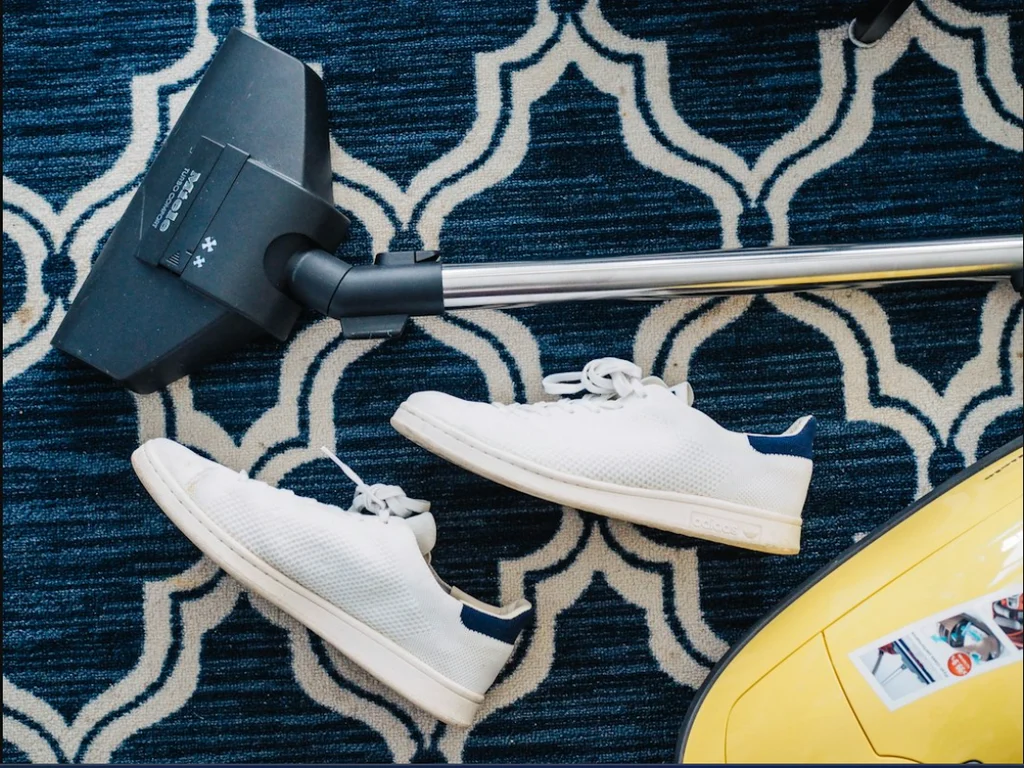
- Dry Soil Removal: While vacuuming is often seen as a basic task, it’s incredibly effective. In fact, vacuuming can remove 80 percent of all upholstery soils, making it a vital first step in routine care.
- Wear Reduction: Accumulated dirt and grit act like sandpaper on carpet and upholstery fibers, accelerating wear. Regular cleaning removes these abrasive particles, significantly extending the life of your furnishings.
- 50 Percent Life Extension: It’s a proven fact that professional carpet cleaning can extend the life of your carpet by 50 percent. This means your investment lasts longer, delaying costly replacements.
- Improved Indoor Air Quality: Carpets and upholstery act as filters, trapping dust, pollen, pet dander, and other allergens. Regular cleaning removes these trapped pollutants, contributing to a healthier indoor environment, especially for allergy sufferers.
Beyond aesthetics, routine professional cleaning is an investment in your home’s health and the durability of your furnishings.
Best Practices for Post-Emergency Home Care
After a major emergency and restoration, establishing new maintenance routines can help prevent recurrence and protect your newly restored home:
- Fabric Protectants: Consider applying professional fabric protectants to carpets and upholstery. These treatments create a barrier that resists spills and stains, making future cleanups easier and preventing damage.
- HVAC Filter Replacement: Regularly replace your HVAC filters, especially after fire or mold remediation, to ensure clean air circulation and prevent the spread of any residual particles. Consider upgrading to HEPA filters for superior air quality.
- Relative Humidity Management: Invest in a hygrometer to monitor indoor humidity levels. Maintaining humidity between 30-50% is crucial to prevent mold growth, especially in areas prone to moisture. Use dehumidifiers in humid months and humidifiers in dry months as needed.
- Routine Leak Detection: Periodically check for leaks around pipes, appliances, windows, and the roof. Small leaks can go unnoticed for long periods, leading to significant hidden damage. Consider smart leak detectors that alert you via your phone.
- Seasonal Audits: Conduct seasonal home inspections, checking the roof, gutters, foundation, and attic for any signs of wear, damage, or potential vulnerabilities that could lead to future emergencies.
By integrating these best practices into your home care routine, you can significantly enhance your home’s resilience and maintain a healthy living environment long after the restoration is complete.
Frequently Asked Questions About Home Emergency and Restoration
Navigating a home emergency often brings a flurry of questions, especially regarding costs, response times, and insurance coverage. Here, we address some of the most common inquiries homeowners have.
Does homeowners insurance cover all emergency restoration costs?
Homeowners insurance typically covers damage from “sudden and accidental” perils listed in your policy, such as fire, sudden pipe bursts, windstorms, and vandalism. For example, most policies will cover water damage from a burst pipe or fire damage from a kitchen fire, including the associated restoration costs like water extraction, structural drying, smoke removal, and reconstruction.
However, there are significant exclusions:
- Flood Damage: Damage from natural floods (e.g., river overflow, heavy rain accumulation) is almost universally excluded from standard homeowners policies. Separate flood insurance, typically through the National Flood Insurance Program (NFIP), is required for this coverage.
- Gradual Wear and Tear: Damage resulting from neglect, poor maintenance, or gradual deterioration (e.g., a slow, undetected leak over months, dry rot, or mold from prolonged humidity) is generally not covered.
- Earthquakes: Similar to floods, earthquake damage usually requires a separate policy or endorsement.
- Deductibles: Homeowners are responsible for their deductible before insurance coverage kicks in.
It’s crucial to review your specific policy with your agent to understand your coverage limits, exclusions, and responsibilities. Professional restoration companies can often help you understand what might be covered and assist with claim documentation.
How quickly should homeowners respond to home emergency and restoration incidents?
The speed of response to a home emergency is arguably the most critical factor in mitigating damage and controlling costs. We cannot stress enough that immediate action is paramount.
- Within the First 60 Minutes: For water emergencies, the first hour is crucial. Rapid response can prevent water from saturating materials deeper, limiting the scope of damage and significantly reducing the risk of mold growth.
- Secondary Damage Costs: Delaying action can lead to substantial secondary damage. As noted earlier, every hour of untreated water damage can cost homeowners an average of $1,200 or more in secondary damage, such as mold, structural rot, and ruined contents.
- Cost Escalation: Studies show that every hour of delay increases total restoration costs by 10–15%. This escalation is due to the compounding nature of damage – water spreads, mold grows, and soot bonds more permanently over time.
- Mold Prevention: Mold can begin growing within 24–48 hours after water damage occurs, and in humid climates, this can accelerate to as little as 12 hours. Prompt water extraction and drying are the most effective ways to prevent mold infestation, which is often more costly and complex to remediate than the initial water damage.
- Fire Soot Bonding: After a fire, soot permanently bonds to surfaces in 72 hours. This means that delaying cleanup makes it much harder, and sometimes impossible, to restore items and surfaces to their pre-damage condition.
The sooner you contact a professional restoration service, the better the outcome for your property and your wallet.
What certifications should a property restoration professional hold?
When entrusting your home to a restoration company, verifying their credentials is vital. Certifications indicate that technicians have undergone rigorous training and adhere to industry best practices. Look for companies whose technicians hold certifications from the Institute of Inspection, Cleaning and Restoration Certification (IICRC), the leading authority in the restoration industry.
Key IICRC certifications include:
- IICRC WRT (Water Damage Restoration Technician): Demonstrates proficiency in water extraction, drying principles, and equipment usage.
- IICRC FSRT (Fire & Smoke Restoration Technician): Certifies expertise in fire damage assessment, soot removal, and odor control.
- IICRC AMRT (Applied Microbial Remediation Technician): Essential for safe and effective mold inspection and removal.
- IICRC ASD (Applied Structural Drying): For technicians specializing in advanced drying techniques for complex structural components.
- EPA Lead-Safe Certification: Crucial for any work performed in homes built before 1978, ensuring compliance with lead-safe work practices.
- State General Contractor Licensing: For companies offering full-service reconstruction, this license ensures they are qualified to manage and execute all necessary rebuilding and repair work.
These certifications assure homeowners that the restoration team possesses the knowledge, skills, and ethical standards required to handle complex property damage safely and effectively.
Conclusion
Facing a home emergency is an experience no homeowner wishes for, but with the right knowledge and resources, it doesn’t have to be a catastrophic event. We’ve explored the common types of disasters, from water and fire to storm damage, and delved into the crucial phases of mitigation, remediation, and reconstruction. Understanding these steps, along with the critical protocols for recovery, empowers you to make informed decisions when time is of the essence.
The importance of rapid response cannot be overstated; every hour saved can translate into thousands of dollars in averted damage and a significantly smoother path to recovery. Equally vital is the role of certified professionals who not only possess the technical expertise but also assist in navigating the complexities of insurance claims. Finally, proactive maintenance, from routine carpet cleaning to managing indoor humidity, serves as your first line of defense, preserving your home’s health and extending the life of your furnishings.
By embracing proactive disaster planning, understanding immediate response protocols, and knowing when to call on certified professional intervention, you can safeguard your long-term property protection and restore your peace of mind, ensuring your home remains the sanctuary it’s meant to be.
Read more : Simple Home Decor Ideas to Make Your Living Space More Beautiful and Comfortable