Introduction
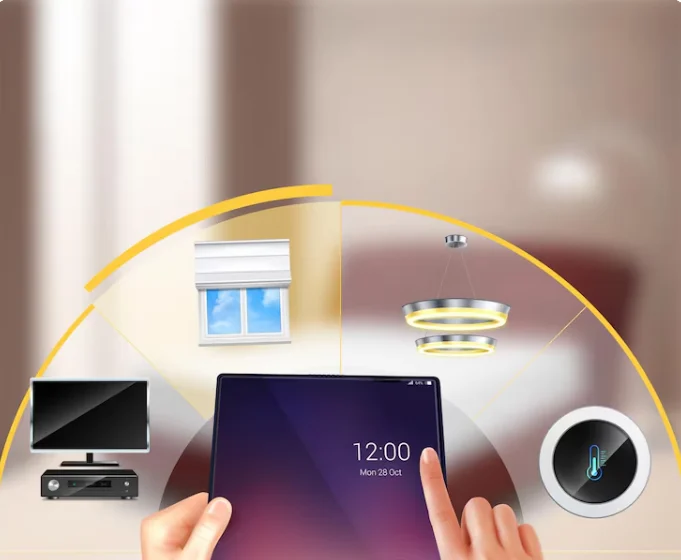
Smart devices are transforming the way people manage their homes, making everyday activities more convenient, efficient, and connected. From intelligent lighting systems and smart thermostats to security cameras and voice-controlled assistants, modern technology is changing traditional living spaces into connected environments.
As internet connectivity becomes more accessible and smart home technology continues to improve, homeowners are increasingly adopting devices that simplify household responsibilities. These innovations allow users to control appliances, monitor security, and manage energy consumption through smartphones or automated systems.
Understanding the growing role of smart devices helps explain how connected homes are shaping the future of modern living.
What Are Smart Home Devices?
Smart home devices are electronic products designed to connect with other devices or networks, allowing users to monitor and control household functions remotely or automatically.
These devices often use technologies such as Wi-Fi, Bluetooth, Zigbee, Thread, and other communication protocols to exchange information.
Common examples include smart speakers, automated lighting, connected thermostats, security cameras, smart door locks, and intelligent household appliances.
Many devices can be managed through mobile applications, voice commands, or scheduled automation routines, making home management more flexible and convenient.
Improving Everyday Convenience
One of the biggest advantages of smart home technology is the convenience it brings to daily life.
Smart lighting systems allow homeowners to adjust brightness, change lighting schedules, and control individual rooms without manually operating switches.
Voice assistants can help users set reminders, play music, check weather information, and control compatible household devices.
Smart plugs and connected appliances also allow users to manage certain electrical devices remotely.
For example, homeowners can schedule lights to turn on in the evening or automatically switch off selected appliances when they are not needed.
These simple features can reduce repetitive tasks and make everyday household routines more comfortable.
Enhancing Home Security and Safety
Home security is another major reason people invest in smart devices.
Modern connected security systems include video doorbells, motion sensors, surveillance cameras, smart locks, and automated alarms.
These technologies allow homeowners to monitor their properties remotely and receive notifications when unusual activity is detected.
Smart doorbells, for example, can provide video footage of visitors even when residents are away from home.
Connected smoke detectors, carbon monoxide alarms, and water leak sensors can also send alerts about potential household hazards.
Although these systems improve monitoring and awareness, they should complement reliable physical security measures and properly maintained safety equipment.
Supporting Energy Efficiency
Smart devices can help households monitor and manage energy consumption more effectively.
Smart thermostats allow users to create heating and cooling schedules based on daily routines. Some models can adjust temperature settings automatically to reduce unnecessary energy usage.
Connected lighting systems can switch off lights when rooms are unoccupied or adjust brightness according to user preferences.
Smart plugs and energy-monitoring devices may also help identify appliances that consume electricity unnecessarily.
While actual savings depend on household habits, equipment efficiency, and installation conditions, thoughtful use of smart technology can support lower energy consumption and reduced utility expenses.
The Importance of Smart Home Automation
Home automation is one of the most exciting developments in connected living.
Instead of controlling every device separately, homeowners can create automated routines that coordinate multiple household functions.
For example, a morning routine could gradually turn on bedroom lights, adjust the thermostat, and activate a compatible coffee maker.
An evening routine might dim lighting, lock connected doors, and adjust indoor temperatures.
Automation can be especially valuable for people with demanding schedules or mobility limitations because it reduces the need for repetitive manual tasks.
As smart home platforms become more advanced, automated systems are becoming increasingly customizable.
The Role of Artificial Intelligence in Smart Homes
Artificial intelligence is contributing to the development of more responsive smart home systems.
AI-powered devices can analyze patterns, recognize certain voice commands, and make adjustments based on user preferences.
Some smart thermostats learn household schedules and recommend temperature settings, while intelligent security cameras may distinguish between people, animals, and vehicles.
Voice assistants also use language-processing technologies to interpret requests and provide relevant responses.
These capabilities can create more personalized experiences, although their reliability varies depending on the device and software.
As artificial intelligence develops, connected homes may offer more sophisticated automation and improved interaction between household technologies.
Smart Devices and Home Entertainment
Connected technology is also changing how people experience entertainment at home.
Smart televisions, wireless speakers, streaming devices, and connected gaming systems allow users to access entertainment through integrated platforms.
Multiroom audio systems can play synchronized music in different areas of a house, while smart televisions provide access to streaming applications and online content.
Voice-controlled entertainment systems make it possible to adjust volume, search for content, and manage compatible devices without using traditional remotes.
These features help create more flexible and personalized entertainment environments for families and individuals.
Challenges of Connected Home Technology
Despite their advantages, smart home devices introduce several challenges that homeowners should consider.
Privacy and Data Protection
Connected devices may collect information about household activities, preferences, and usage patterns.
Choosing reputable manufacturers, reviewing privacy settings, and understanding data collection practices can help reduce privacy risks.
Cybersecurity Concerns
Devices connected to the internet may become vulnerable to unauthorized access if they are not properly secured.
Using strong passwords, enabling multifactor authentication where available, and regularly installing software updates are important security practices.
Compatibility Issues
Not all smart home devices communicate seamlessly with one another.
Although interoperability standards such as Matter are improving compatibility among supported products, homeowners should still verify device compatibility before making purchases.
Installation and Maintenance Costs
Some smart devices require additional equipment, professional installation, or ongoing subscriptions.
Considering these expenses helps homeowners determine whether the benefits justify the investment.
The Future of Connected Homes
The future of smart home technology is expected to focus on greater automation, improved compatibility, and more intelligent device interactions.
Advancements in artificial intelligence, wireless communication, and energy management may allow connected systems to respond more effectively to household needs.
Smart home technology could also support independent living for older adults and individuals with disabilities through accessible controls, automated lighting, and compatible monitoring systems.
As manufacturers continue developing user-friendly products, connected home technology may become more practical for households with different budgets and requirements.
However, long-term adoption will depend on affordability, reliability, security, and consumer trust.
Conclusion
Smart devices are playing an increasingly important role in creating connected homes that offer greater convenience, security, comfort, and energy management.
From automated lighting and intelligent climate control to connected entertainment systems and advanced security devices, smart home technology is changing how people interact with their living spaces.
Although challenges involving privacy, cybersecurity, and compatibility remain, ongoing technological improvements are making connected homes more accessible and functional.
By choosing reliable devices and using automation responsibly, homeowners can create smarter living environments that support everyday comfort and long-term efficiency.
Read More : The Umami Code: Unlocking the Fifth Taste in Home Cooking