
Introduction
Stress is a common part of modern life. From work responsibilities and financial concerns to family commitments and personal challenges, everyday pressures can affect both physical and mental well-being. While avoiding stress completely is nearly impossible, learning how to manage it effectively can improve your overall quality of life.
Making small changes to your daily routine can help you feel more relaxed, focused, and confident. By developing healthy habits and maintaining a positive outlook, you can create a more balanced and enjoyable lifestyle.
Create a Healthy Daily Routine
Having a structured daily routine can reduce unnecessary pressure and help you manage your time effectively. Start your day with simple activities such as stretching, drinking water, or enjoying a healthy breakfast.
Organizing your responsibilities and setting realistic goals can also prevent you from feeling overwhelmed. Instead of trying to complete everything at once, focus on your most important tasks and take regular breaks.
Make Physical Activity a Priority
Regular physical activity is one of the most effective natural ways to manage stress. Exercise helps release endorphins, which can improve mood and support emotional well-being.
You do not need an intense workout routine to experience these benefits. Walking, cycling, swimming, yoga, or even gardening can help you stay active while providing a mental break from daily responsibilities.
Aim for activities you genuinely enjoy so that exercise becomes a sustainable part of your lifestyle.
Practice Relaxation and Mindfulness
Taking a few minutes each day to relax can make a noticeable difference in how you handle stress. Mindfulness encourages you to focus on the present moment rather than worrying about past events or future uncertainties.
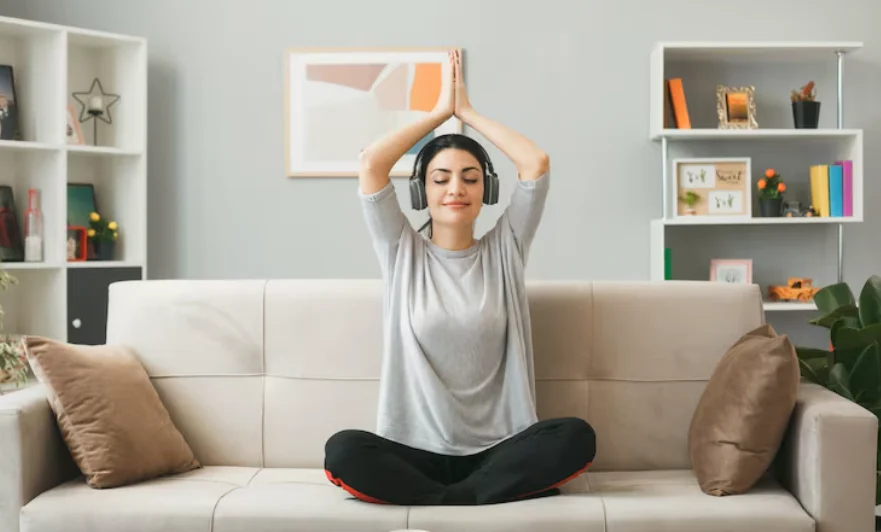
Simple practices such as deep breathing, meditation, or spending quiet time outdoors can help calm your mind. Even five to ten minutes of relaxation during a busy day may improve concentration and emotional balance.
Improve Your Sleep Habits
Quality sleep plays an important role in maintaining physical health and emotional stability. Poor sleep can increase irritability, reduce concentration, and make everyday challenges feel more difficult.
Try to maintain a consistent sleeping schedule and create a comfortable bedroom environment. Limiting screen time before bed, avoiding excessive caffeine late in the day, and following a relaxing nighttime routine can support better sleep.
Most adults should aim for approximately seven to nine hours of sleep each night.
Maintain Strong Social Connections
Spending meaningful time with friends, family members, and supportive people can improve happiness and reduce feelings of isolation.
Simple activities such as sharing meals, having conversations, or participating in community events can strengthen relationships. When facing difficult situations, talking with someone you trust may also help you gain a fresh perspective.
Healthy relationships provide emotional support and contribute to a more satisfying life.
Take Breaks from Digital Devices
Technology makes everyday tasks easier, but spending too much time on smartphones, social media, and digital platforms can sometimes contribute to stress.
Setting boundaries around screen time can help you focus on activities that matter most. Consider taking short breaks from your devices, avoiding unnecessary notifications, and spending more time enjoying offline hobbies.
Reading, cooking, gardening, or exploring nature can provide refreshing alternatives to constant digital engagement.
Focus on Healthy Eating
A balanced diet supports energy levels, concentration, and overall health. Eating nutritious foods such as fruits, vegetables, whole grains, and protein-rich meals can help your body function effectively.
Staying hydrated and limiting excessive consumption of highly processed foods may also support better well-being.
Rather than following restrictive diets, aim to develop healthy eating habits that fit your lifestyle and personal needs.
Learn to Set Healthy Boundaries
Taking on too many responsibilities can quickly lead to exhaustion. Learning when to say no and recognizing your personal limits are important parts of stress management.
Prioritize activities that align with your goals and avoid unnecessary commitments. Setting boundaries between professional responsibilities and personal time can help create a healthier work-life balance.
Make Time for Activities You Enjoy
Personal interests and hobbies are essential for maintaining a fulfilling lifestyle. Whether you enjoy painting, listening to music, traveling, or spending time outdoors, enjoyable activities can help you disconnect from daily pressures.
Even a small amount of time dedicated to your interests can improve your mood and provide a sense of accomplishment.
Conclusion
Reducing stress and improving your quality of life does not require dramatic changes. Small, consistent habits such as regular exercise, healthy eating, adequate sleep, relaxation, and meaningful social connections can make everyday life more manageable.
The key is to identify what works best for you and gradually incorporate positive habits into your routine. With patience and consistency, you can build a healthier, happier, and more balanced lifestyle. If stress becomes persistent or difficult to manage, seeking support from a qualified mental health professional can also be beneficial.
Read More : How to Build a Balanced Lifestyle for Better Physical and Mental Wellness



Pingback: Understanding Common Pet Behaviors and Building a Stronger Bond with Your Animals