Introduction
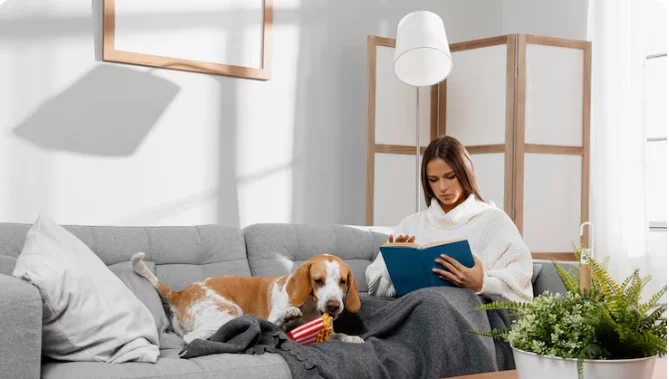
Pets are important members of the family, and providing them with a safe and comfortable living environment is essential for their health and happiness. Whether you have a dog, cat, rabbit, or another companion animal, your home should support their physical needs, emotional well-being, and natural behaviors.
Creating a pet-friendly home does not require expensive renovations or complicated arrangements. Simple changes, such as removing potential hazards, providing comfortable resting areas, and maintaining cleanliness, can make a significant difference.
By understanding your pet’s individual needs, you can create a welcoming space where they feel protected, relaxed, and loved.
Designate a Comfortable Resting Area
Every pet needs a quiet and comfortable place to rest. Establishing a designated sleeping area helps animals feel secure and provides them with a familiar space.
Choose a location away from excessive noise, direct sunlight, and frequent household activity. Provide suitable bedding that supports your pet’s size, age, and physical requirements.
For dogs and cats, soft washable beds can provide comfort, while smaller animals may require species-specific bedding and secure enclosures.
Regularly cleaning their sleeping areas helps maintain hygiene and prevents unpleasant odors.
Remove Common Household Hazards
Pet safety should be a priority when arranging your living environment. Many ordinary household items can become dangerous if animals accidentally chew, swallow, or interact with them.
Keep cleaning chemicals, medications, electrical cords, and sharp objects away from pets. Secure loose wires and store potentially harmful products inside closed cabinets.
Certain houseplants, including lilies, are extremely toxic to cats. Always check whether indoor plants are safe for the specific animals living in your home.
Small objects that could cause choking should also be kept out of reach.
Maintain a Clean and Hygienic Environment
Clean surroundings contribute to better pet health and household comfort. Regularly washing pet bedding, cleaning feeding bowls, and removing waste helps reduce bacteria, odors, and parasites.
Vacuum carpets and furniture frequently to manage pet hair and dirt. Use cleaning products that are appropriate for homes with animals, following product instructions carefully.
For cats, provide clean litter boxes in quiet, accessible locations. Dogs should have a consistent outdoor toilet routine or another suitable designated area.
Maintaining good hygiene creates a healthier environment for both pets and family members.
Provide Proper Food and Fresh Water
Balanced nutrition is essential for maintaining your pet’s overall health. Choose food appropriate for the animal’s species, age, size, and health requirements.
Provide fresh, clean drinking water throughout the day and regularly wash food and water containers.
Avoid giving pets human foods without confirming their safety. Foods such as chocolate, grapes, raisins, and products containing xylitol can be dangerous for dogs.
If you are uncertain about your pet’s nutritional requirements, consult a veterinarian for personalized recommendations.
Create Opportunities for Exercise and Play
Physical activity and mental stimulation are important for preventing boredom and supporting healthy behavior.
Dogs benefit from regular walks, interactive games, and opportunities to explore safe environments. Cats enjoy climbing structures, scratching posts, puzzle feeders, and interactive toys.
Smaller pets also require appropriate exercise and enrichment based on their species.
Providing different activities encourages natural behaviors and helps pets remain physically active and mentally engaged.
Maintain a Comfortable Indoor Temperature
Pets can be sensitive to extreme temperatures, making indoor climate control an important consideration.
During hot weather, ensure adequate ventilation, access to shade, and sufficient drinking water. Avoid leaving animals in poorly ventilated spaces or areas exposed to intense sunlight.
During colder months, provide warm bedding and protection from drafts, particularly for young, elderly, or short-haired animals.
Maintaining a comfortable environment helps reduce temperature-related stress and supports your pet’s well-being.
Establish a Consistent Daily Routine
Animals often feel more secure when daily activities follow a predictable schedule. Regular feeding times, exercise sessions, grooming, and rest periods help create stability.
Consistency can also make behavioral training easier and reduce anxiety caused by unexpected changes.
However, routines should remain flexible enough to accommodate your pet’s changing needs.
Spending quality time with your pet every day strengthens your relationship and contributes to their emotional health.
Provide Safe Spaces for Privacy
Just like people, pets sometimes need personal space. Creating a quiet retreat allows them to relax when they feel overwhelmed or tired.
Cats may prefer elevated resting platforms or enclosed hiding spaces, while dogs might enjoy a comfortable bed in a peaceful corner.
Teach children and visitors to respect pets when they are eating, sleeping, or resting.
Allowing animals to retreat without disturbance helps them feel more secure in their surroundings.
Schedule Regular Veterinary Care
A safe home environment also includes proper preventive healthcare. Routine veterinary visits can help identify potential health problems before they become serious.
Follow your veterinarian’s recommendations for vaccinations, parasite prevention, dental care, and general health examinations.
Pay attention to changes in appetite, behavior, energy levels, or bathroom habits, as these may indicate underlying health concerns.
Early veterinary attention can improve treatment outcomes and protect your pet’s long-term health.
Make Your Home Suitable for Your Pet’s Age
Your pet’s needs may change as they grow older. Puppies and kittens often require additional supervision and protection from household hazards.
Senior pets may benefit from orthopedic bedding, non-slip flooring, ramps, and easier access to food and water.
Animals with mobility difficulties may also require adjustments to furniture arrangements and sleeping locations.
Adapting your home to your pet’s life stage helps maintain comfort, independence, and safety.
Conclusion
Creating a safe and comfortable home environment for your pets involves thoughtful planning, regular maintenance, and an understanding of their individual needs.
By providing comfortable resting spaces, eliminating household hazards, maintaining cleanliness, offering nutritious food, and encouraging daily activity, you can improve your pet’s quality of life.
A loving and secure home supports not only physical health but also emotional well-being. With consistent care and attention, you can create a pet-friendly environment where your companions feel happy, protected, and truly part of the family.
Read more: Emerging Technology Trends That Could Shape the Digital Future