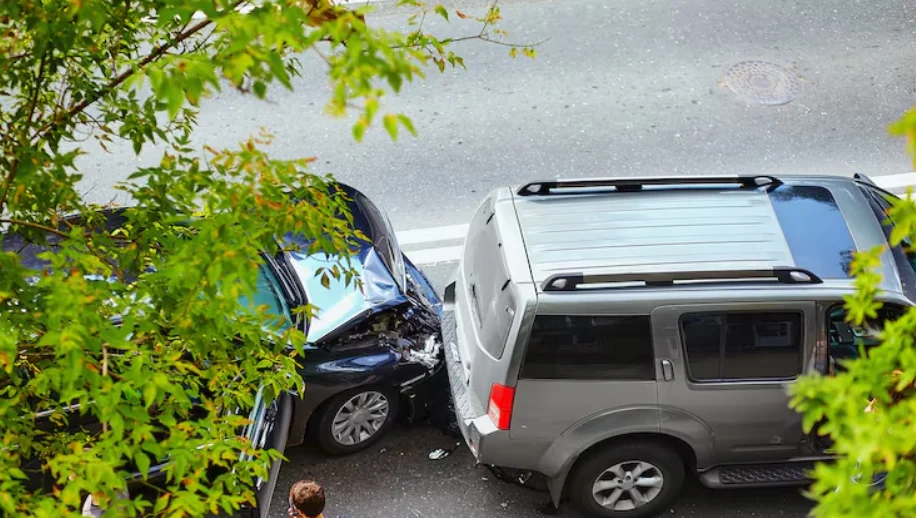
When you have a car accident, the first inquiry is usually who was at fault? The response can influence insurance payouts, medical expenses, and your ability to pursue damages. There’s no just declaring fault in Richmond, Virginia. Police reports, images, witness accounts, and other documents can verify what happened. Even a minor information can influence an injury claim. Virginia similarly follows a rigorous contributory negligence guideline. That makes it all the more important to have strong evidence in the wake of an accident.
Driver Fault Matters After a Car Crash
Fault determines who is responsible for paying for injuries and other losses. If a driver is responsible for a crash, he or she may be responsible for a damages claim. This may include hospital fees, missed pay, pain and suffering, etc. In certain crashes, there are multiple drivers. One driver speeds, and another turns unsafely. In these circumstances, fast blame whirling is secondary to the greater truth. Insurance firms investigate the facts before making payment. They can use the chance to hunt for grounds to deny a claim or to lower the value of a claim. That’s why solid, unequivocal evidence is so important.
What Proof Proves Driver’s Fault?
Why Evidence Is Crucial in a Car Accident Claim. They all tell the story of the crash.
1. Police accident reports.
Police reports make a good beginning point. Officers often provide the location, driver and street information, and names of witnesses to the accident. The report may also have remarks concerning traffic signs or traffic infractions. This may give some clues about what officers witnessed at the site. However, a police report does not always cause legal fault. Insurance companies and courts may consider other evidence before arriving at a conclusion.
2. Accident Scene Photos/Videos
The photos can help lock in details that people may forget. They can also help clarify the movement of the autos before the crash. Helpful photographs include:
- Each vehicle’s damage.
- Glass breakage and skid marks.
- Road signage and traffic signals.
- Deadly risks and street signs.
- Where the cars ended up after the crash.
Dashcam footage and any security cameras around may capture the crash. Drivers, save the clip before it gets deleted.
3. Testimony of a Witness
Crash witnesses can be helpful. A witness may be able to tell which car had a green light or who illegally crossed lanes. Witness statements can help to resolve conflicts between drivers. Witnesses can also confirm images or police reports. If possible, record names and contact information of witnesses. Their recollections may fade with time.
4. Damage to Cars and Expert Session.
5. Evidence of the Accident in the Damage of Each Car For example, side damage may indicate that one driver hit another. In extreme circumstances, crash experts might come to the accident scene and the damaged vehicles. They may study skid marks, points of impact, road design, and other information. Their findings can dispel confusion about speed, direction, and force of contact. It may count when drivers tell wildly different stories.
Can Traffic Violations Impact Fault?
Yes. A traffic violation can prove that a driver was negligent. Like texting and driving, excessive speed, failure to yield, or running a red light. For example, a driver who runs a red light on Broad Street and collides with another car. You can prove the infraction using the traffic camera, a witness, or a police complaint. Virginia law also has regulations against careless and dangerous driving. This can be helpful in asserting a claim that a driver caused a crash. However, they do not always resolve all civil damage case problems with a ticket.
Virginia Contributory Negligence Rule: What Is It?
Virginia’s shared fault law is one of the harshest. This is called pure comparative carelessness. The effect is whatever degree of fault you have, it may preclude recovery of damages. Even a little percentage of fault might be a big issue on an injury claim. For example, if another driver runs a red light and strikes your vehicle. You were also traveling a bit above the speed limit. Even if the other driver was at fault, your speed may be a factor. Insurance companies are usually quite careful with these things. They may claim that the injured driver bears some responsibility. You may do much to counter the false fault claims with good evidence.
So How to Protect Your Claim After a Car Crash?
What you do after a crash will save your case:
- Call 911 to report the crash.
- Get medical treatment as soon as possible.
- Photograph the autos and the crash scene.
- Get names and contact info of witnesses.
- Keep medical bills, repair estimates, and other documentation.
- Save your dashcam footage and any information about cameras around where the crash occurred.
- Don’t confess guilt or speculate about the cause of the crash.
You can get a police crash report from the Virginia DMV. The DMV has official records of all reportable crashes.
How a Richmond Car Accident Lawyer Can Help
Determining culpability can be difficult if drivers are disputing each other. Insurance firms might even dispute causes of injury and deny the amount of damages. An experienced Richmond Car Accident Attorney will explore what evidence may be available and discuss your legal options with you. Price Benowitz Accident Injury Lawyers, LLP treats all kinds of injuries in Richmond, VA. The firm represents injury victims of vehicle accidents, truck accidents, motorbike crashes, bus accidents, injured cyclists, and pedestrians. It also handles severe accidents including burns and spinal cord injuries. Legal assistance includes:
- Reading police tickets and evidence of accidents.
- Finding witnesses and securing statements.
- Collecting evidence of car damage and hospital records.
- Refuting unfair shared fault.
- Recouping lost wages and medical expenditures.
The Virginia statute of limitations on personal injury lawsuits is normally two years. The Date can vary according to the particulars of the law and exceptions. A catastrophic accident can be painful, stressful, and costly. Knowing who is at fault can help you determine what to do next.
Questions to Ask:
1. Who’s Liable in a Richmond, Virginia Car Accident?
Fault is based on the evidence of how the crash occurred. Pictures, witness reports, police records, and video recordings can be determinative of fault.
2. Do police reports assign fault in an automobile accident?
No. A police report is powerful evidence, but it does not establish fault. Insurance companies and the courts may examine other documents before determining fault.
3. If You Are Both Found at Fault in an Accident in Virginia?
Yes. Maybe both drivers were negligent and caused the accident. Virginia is a contributory negligence state, and if you were even slightly responsible for the accident that caused your injuries, you may be barred from claiming damages.
4. What proof is best for a vehicle accident claim?
Photos, dashcam video, witness statements, medical histories, and crash reports all may help establish fault. Expert evaluations can also shed light on major or disputed accidents.
5. How much time do I have to file a car accident lawsuit in Virginia?
In Virginia, you typically have two years from the moment a personal injury claim accrues. There are some exceptions, so talk to an attorney about your deadline.
Read More : Taking Defensive Driving Online In Kansas And Making It Count