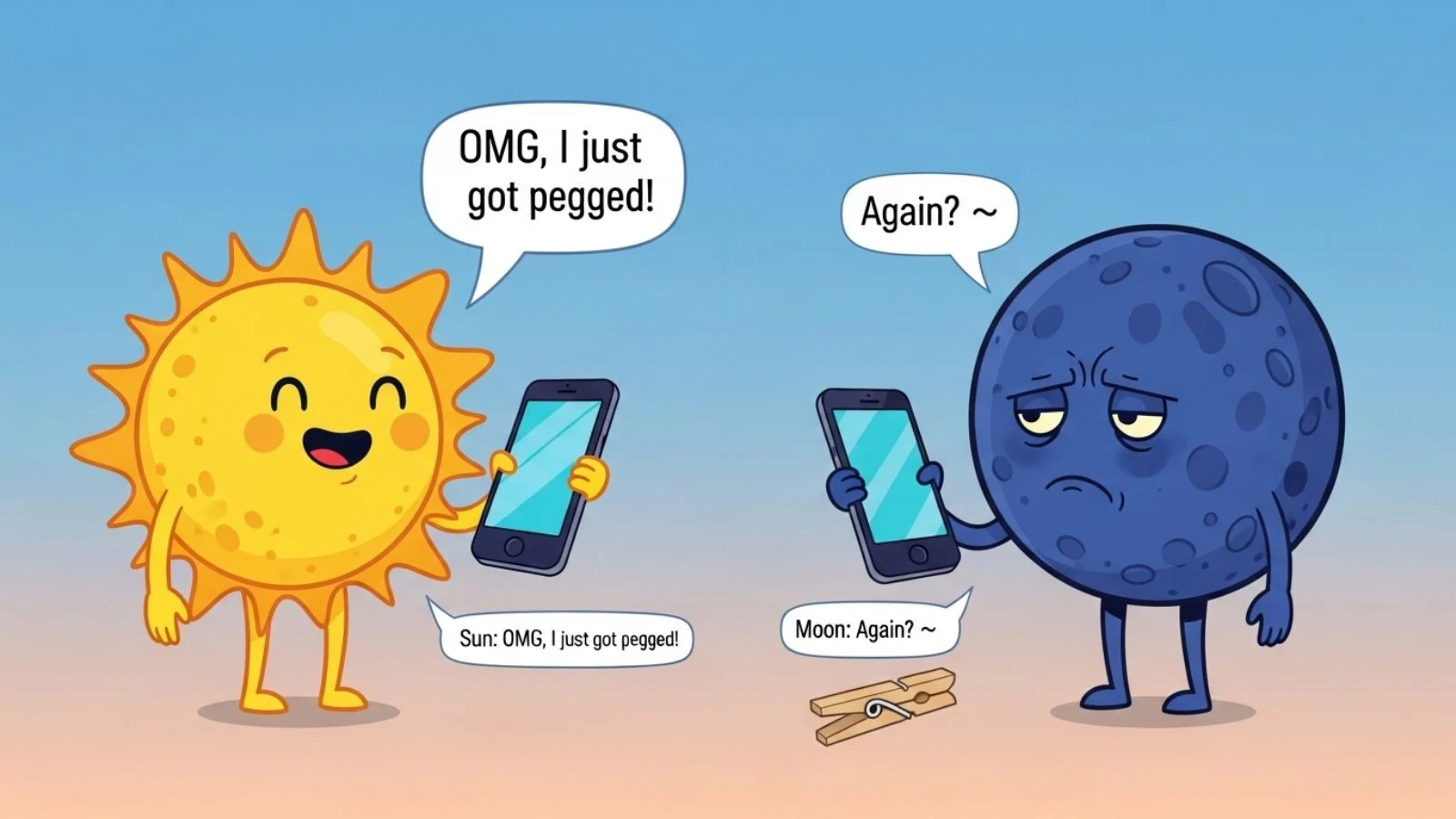
Pegged in text usually means “firmly set,” “fixed in place,” or “accurately identified.” In slang, it can also mean someone correctly guessed something about you. However, in certain adult contexts, it has a completely different meaning.
Let’s break it down clearly and safely.
Pegged Meaning in Text
The pegged meaning in text depends entirely on context.
In everyday texting and online chat, “pegged” most often means:
- Correctly identified
- Accurately guessed
- Fixed at a certain level
- Assigned a label
For example:
“I had you pegged as a Marvel fan.”
This means: I correctly guessed you like Marvel.
It is not an acronym, not a short form, and not a phonetic spelling.
It is a regular English verb that has developed additional slang meanings over time.
However, in some adult conversations, “pegged” can refer to a specific intimate act. On mainstream platforms like Snapchat, TikTok, and Instagram, the word is usually used in its safer, general meaning unless clearly stated otherwise.
What Does Pegged Mean in Chat?
When someone says “I had you pegged,” they usually mean:
- I figured you out
- I correctly predicted your behavior
- I knew you were that type
Example:
A: You love horror movies, don’t you?
B: Yeah, how’d you know?
A: I had you pegged.
Here, “pegged” simply means correctly guessed.
Pegged Slang Meaning
The pegged slang meaning can shift based on tone:
- Casual slang – Correctly identified someone
- Financial slang – Fixed at a certain rate (like currency pegged to the dollar)
- Adult slang – Refers to a specific intimate act
On most social platforms, it’s used in the first meaning unless the conversation is explicitly adult.
Always read the context.
Pegged Meaning on Snapchat
On Snapchat, “pegged” usually appears in playful conversations:
- Guessing personality types
- Calling out someone’s vibe
- Predicting habits
Example:
A: You’re definitely the type to text first.
B: Wow, you have me pegged.
Tone: Light, teasing, friendly.
Rarely used formally.
Pegged Meaning on TikTok
On TikTok, the word often appears in:
- Storytime videos
- Comment sections
- Meme captions
Example comment:
“I had him pegged as toxic from day one.”
Here it means: I knew what kind of person he was.
Sometimes TikTok may use it in adult humor contexts, but usually that’s clear from surrounding content.
Pegged Meaning on Instagram
On Instagram, especially in captions and comments, it’s used as:
- Personality observation
- Relationship commentary
- Funny assumptions
Example:
“She pegged me as a gym bro before we even talked.”
Tone: Casual and observational.
Pegged Meaning on WhatsApp
On WhatsApp, meaning depends heavily on who you’re chatting with.
In friend groups:
- Teasing
- Guessing habits
- Calling out behavior
In serious chats:
- Referring to fixed prices
- Describing someone accurately
Example:
“I had your budget pegged at 20k.”
Meaning: I estimated it at 20k.
Pegged Meaning in SMS Texting
In regular SMS messages, it usually means:
- Guessed correctly
- Estimated
- Identified
Example:
“I pegged you as the quiet type.”
Tone is neutral unless sarcasm is involved.
Tone & Context Variations
The meaning changes depending on tone. Let’s explore that with real examples.
Funny Tone
A: You alphabetize your snacks?
B: Maybe…
A: I had you pegged as that type.
Playful teasing.
Sarcastic Tone
A: I forgot my wallet again.
B: Yeah, I had you pegged as super responsible.
Clearly sarcastic.
Romantic Tone
A: I thought you’d be shy on our first date.
B: Really?
A: Yeah, I had you pegged all wrong.
Soft and flirty.
Angry Tone
A: I can’t believe you lied.
B: What?
A: I had you pegged as honest.
Disappointed tone.
Playful Tone
A: You cried at that movie, didn’t you?
B: Stop.
A: I had you pegged.
Light teasing.
More Real Chat Examples
- “I had you pegged as a coffee addict.”
- “He pegged the price too high.”
- “She pegged me wrong.”
- “You pegged that prediction perfectly.”
- “They pegged him as unreliable.”
- “I had her pegged from day one.”
- “Wow, you really pegged my personality.”
- “The teacher pegged him as gifted.”
- “I never had you pegged as shy.”
- “You pegged the vibe exactly.”
- “They pegged the event as low-budget.”
- “I had you pegged for greatness.”
Grammar & Language Role
“Pegged” is:
- A past tense verb
- From the base verb “peg”
- Used as an action word
Example structure:
Subject + pegged + object
“She pegged him as confident.”
It can:
- Replace “guessed”
- Replace “estimated”
- Replace “identified”
It is informal in social chats but acceptable in professional writing when referring to estimates or fixed values.
Formal example:
“The currency is pegged to the US dollar.”
Informal example:
“I had you pegged.”
Tone impact depends on voice and punctuation.
How to Reply When Someone Says “Pegged”
Funny Replies
- “You’re basically psychic.”
- “Should I be impressed or scared?”
- “Wow, FBI level skills.”
- “Stop exposing me.”
Serious Replies
- “Interesting observation.”
- “What made you think that?”
- “You might be right.”
Flirty Replies
- “Oh? Tell me more.”
- “Guess you know me well.”
- “Maybe you should get to know me better.”
Neutral Replies
- “Fair enough.”
- “That’s one way to see it.”
- “Not entirely wrong.”
Choose your reply based on mood and relationship.
Is Pegged Rude or Bad?
Is pegged rude?
Not usually.
Is it disrespectful?
Only if used mockingly.
Is it a bad word?
No. In standard usage, it’s harmless.
Can you use it in school?
Yes, in normal context.
Can you use it at work?
Yes, especially for estimates or observations.
However, avoid it if conversation could be interpreted in an adult way. Context matters.
Who Uses This Term?
Age Group:
- Millennials
- Gen Z
- Professionals in finance
Common Platforms:
- TikTok
- Snapchat
Regions:
- United States
- United Kingdom
- Canada
- Global English-speaking internet
It’s widely understood in English-speaking cultures.
Origin & Internet Culture
“Peg” comes from Old English, meaning:
- To fasten
- To fix firmly
Over time, it evolved to mean:
- Fixing a value
- Identifying someone
The slang usage likely grew from conversational English rather than a single viral meme.
TikTok and meme culture increased its casual usage, especially in personality commentary.
It is not originally internet slang, but the internet amplified it.
Comparison Table
| Term | Meaning | Formal/Informal | Tone | Popularity | Confusion Risk |
|---|---|---|---|---|---|
| pegged | identified or fixed | Both | Neutral to playful | Medium | Medium |
| idk | I don’t know | Informal | Casual | Very High | Low |
| ion | I don’t | Informal | Casual | Medium | High |
| dunno | Don’t know | Informal | Relaxed | Medium | Low |
| idc | I don’t care | Informal | Dismissive | Very High | Low |
“Pegged” has more contextual flexibility than most short chat slang.
Real-World Usage Insight
In real conversations, people mostly use “pegged” when they want to sound slightly clever or observational.
Instead of saying “I guessed,” they say:
“I had you pegged.”
It feels sharper and more confident.
But in everyday texting, it’s not overly common like “idk” or “lol.” It appears more in storytelling or personality analysis.
Frequently Asked Questions
What Does Pegged Mean in Text Messages and Online Chat?
It usually means someone correctly identified or guessed something about you.
What Does Pegged Mean on Snapchat and TikTok?
On Snapchat and TikTok, it typically means someone accurately predicted a personality trait or behavior.
Is Pegged Rude, Disrespectful, or Harmless Slang?
It’s harmless in normal context. It only becomes inappropriate in adult conversations.
How Should You Reply When Someone Says “Pegged”?
You can reply playfully, seriously, or flirtatiously depending on tone.
Is Pegged the Same as IDK or Different?
Completely different. “IDK” means “I don’t know.” “Pegged” means correctly identified.
Can You Use Pegged in School or Work?
Yes, especially when talking about estimates or observations.
Final Thoughts: When to Use and When to Avoid
“Pegged” is a flexible English word that works in:
- Personality discussions
- Predictions
- Estimates
- Casual teasing
Use it when:
- You want to sound confident
- You’re describing accurate guesses
- You’re estimating something formally
Avoid it when:
- Context could be misunderstood
- Conversation is extremely formal and sensitive
- You’re unsure of audience interpretation
Common mistake:
Assuming it always has an adult meaning. It does not. Context decides everything.
Understanding tone is key.